

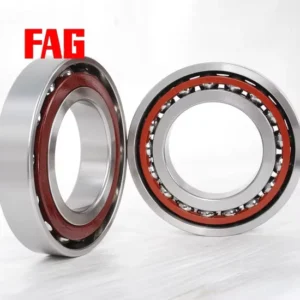
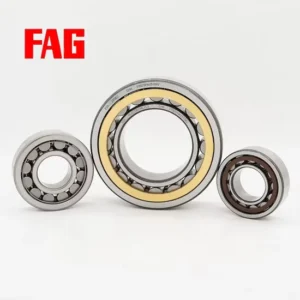
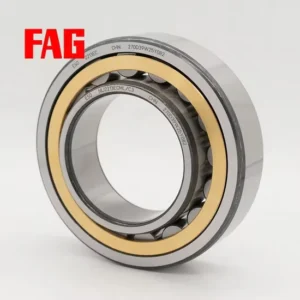


Genuine FAG B7011-C-T-P4s-UL Angular Contact Bearing for CNC Spindle Router
 FAG
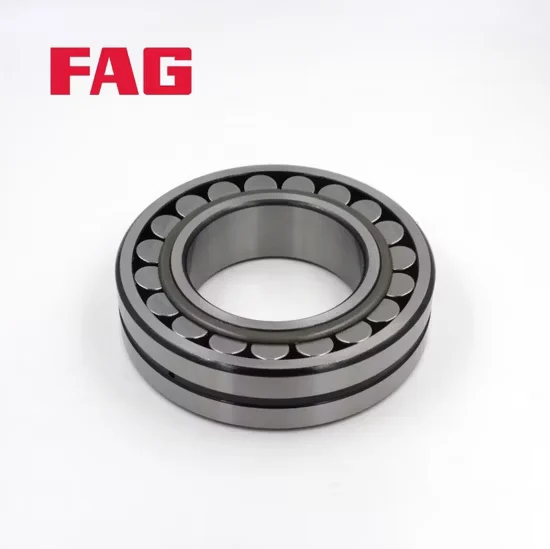
FAG B7011-C-T-P4s-UL Angular Contact Ball Bearing — P4s precision class, engineered for high-speed CNC spindle and router applications.
- 15° contact angle (C) optimized for reduced friction heat during continuous spindle operation
- P4s precision ensures tight dimensional and running accuracy for machine tool environments
- Steel construction delivers reliable durability under demanding machining loads
Source with complete batch traceability documentation, including original records and certificates of origin for full procurement verification.
- Quoted by Complete ModelHandled against the full FAG designation.
- Authorized FAG SupplierSourced through authorized channels.
- Written QuotationPrice, availability, lead time and validity.
- Product DocumentsConfirmed for each order.
Product Description
Cross-reference alignment verified — ensuring exact matching of P4s precision class, 15-degree contact angle, and specific cage design when evaluating equivalent spindle models.
Technical Specifications
| Parameter | Value |
|---|---|
| Designation | B7011-C-T-P4s-UL |
| Bearing Type | Angular Contact Ball Bearing |
| Precision Class | P4s (ISO) |
| Contact Angle | 15° (C suffix) |
| Material | Steel |
| Origin | Jiangsu China |
Note: Suffixes B, T, and UL remain unverified and require manufacturer catalog confirmation for exact cage material and preload specifics.
Application Suitability
| Industry | Typical Applications |
|---|---|
| Machine Tool Manufacturing | High-speed CNC router spindle assemblies |
| Precision Engineering | Robotics joint actuators and high-speed pump shafts |
Why Standard Tolerances Destroy CNC Router Spindles
Spindle vibration escalates exponentially when dimensional tolerances fall short of P4s requirements.
Back in my grinding days in a Dongguan workshop, I saw firsthand how substituting a standard angular contact bearing for a true FAG B7011-C-T-P4s-UL angular contact ball bearing leads to mechanical disaster. The slight runout compounds rapidly at high RPMs, generating excessive friction heat until the spindle seizes completely. Machine operators often mistake this thermal seizure for a lubrication failure, but the root cause is almost always inadequate geometric precision. When the internal clearances and raceway profiles do not meet strict machine tool standards, the dynamic loads concentrate on microscopic high points, accelerating surface fatigue and ultimately destroying the entire spindle cartridge.
Matching Precision to High-Speed Machining Demands
CNC routers and precision milling centers demand extreme rotational accuracy to maintain tight machining tolerances during continuous, multi-axis operation. The FAG B7011-C-T-P4s-UL angular contact ball bearing delivers the necessary dimensional stability and rigidity for these high-speed cutting environments. Sourcing genuine components with verified traceability ensures the spindle maintains its geometric accuracy throughout its service life, preventing costly rework. Furthermore, the specific internal geometry is engineered to handle the complex cutting forces generated during aggressive material removal, ensuring that the tool tip remains perfectly positioned relative to the workpiece even under heavy radial and axial loading conditions.
Managing Thermal and Dynamic Loads in Spindle Assemblies
Spindle bearings endure combined radial and axial loads while operating at elevated speeds, which generates significant internal friction heat within the contact ellipses. This thermal buildup directly impacts internal clearance, making the 15-degree contact angle critical for balancing load capacity and speed limits without inducing excessive preload loss. Proper lubrication is equally vital; oil-air or oil-mist systems are typically required to manage temperatures effectively without introducing the excessive fluid drag associated with traditional grease packing. Furthermore, preventing contamination from aggressive coolant mist and microscopic metal particulates requires highly effective sealing arrangements to protect the finely polished raceways from abrasive wear and subsequent surface distress.
Decoding the P4s Tolerance and Contact Angle Geometry
The P4s precision class dictates exceptionally tight tolerances for bore diameter, outer diameter, and running accuracy, which is absolutely mandatory for minimizing spindle runout and ensuring superior surface finishes. A 15-degree contact angle, designated by the C suffix, optimizes the load distribution for high-speed rotation by significantly reducing the sliding friction and gyroscopic spin between the balls and raceways. This specific geometry allows the bearing to sustain much higher RPMs compared to steeper contact angles, though it requires precise preload application to maintain the necessary axial stiffness during heavy cutting operations. The high-purity steel construction provides the necessary core hardness and rolling contact fatigue resistance for continuous machine tool operation in demanding industrial environments. Understanding the geometry of the FAG B7011-C-T-P4s-UL angular contact ball bearing prevents catastrophic misapplications and ensures long-term reliability in precision equipment.
The Cascading Financial Impact of Tolerance Mismatches
Installing a bearing with inadequate precision triggers a destructive chain reaction of mechanical degradation, starting with elevated vibration amplitudes and accelerated raceway wear. This premature failure inevitably leads to unplanned downtime, scrapped high-value workpieces, and incredibly costly spindle rebuilds that halt entire production lines. According to established failure analysis frameworks like ISO 15243, geometric deviations and improper preload often manifest as surface distress, smearing, and eventual spalling on the critical contact paths. Ultimately, the marginal initial savings from a cheaper, non-compliant alternative are entirely erased by the massive financial burden of emergency maintenance, replacement parts, and severe production delays.
Securing Authentic Spindle Components Through Verified Channels
Procuring genuine spindle bearings requires strict verification protocols to avoid the prevalent market counterfeits that completely lack true P4s tolerances and proper metallurgical treatment. We provide complete batch traceability documentation, ensuring every single unit originates directly from authorized manufacturing facilities with full quality assurance. Our technical team specializes in cross-referencing complex suffix combinations, preventing the all-too-common error of mismatching internal clearance or preload specifications during replacement orders. We maintain substantial spot inventory for critical machine tool spindles, drastically reducing the typical multi-week lead times associated with direct factory orders and keeping your machines running. Furthermore, we offer comprehensive dimensional inspection reports to independently validate running accuracy and geometric integrity before the components ever leave our warehouse.
Documentation & Authenticity
- Certificate of Conformity verifying the P4s precision grade and original manufacturing batch.
- Official brand QR code authentication confirming the genuine origin of the spindle component.
- Dimensional and running accuracy inspection reports validating tight tolerances prior to dispatch.
- Material certification ensuring the steel composition meets stringent machine tool requirements.
- Complete batch traceability records linking the specific unit to its production date and facility.
Storage, Handling & Mounting
- Store the P4s precision components in their original, unopened packaging to prevent moisture ingress and raceway corrosion.
- Maintain a stable, climate-controlled storage environment to avoid thermal distortion of the tightly toleranced steel rings.
- Use lint-free cleanroom gloves during handling to prevent acidic skin oils from degrading the precision-ground raceway surfaces.
- Apply induction heating strictly controlled below the thermal limit of standard bearing steel to preserve P4s dimensional stability.
- Keep matched sets sealed until installation to preserve factory-applied preload marks and 15-degree contact angle alignment orientations.
Engineering Support for Spindle Integration
To ensure optimal spindle performance and maximize service life, please share your specific radial and axial load profiles, maximum operating speeds, and targeted temperature ranges. Providing the exact OEM machine tool model number allows our specialized engineering team to perform precise cross-reference validation and accurate L10 life calculations for your specific duty cycle. This detailed technical data enables us to definitively confirm the suitability of the contact angle, cage design, and preload configuration for your unique machining application, ensuring smooth integration and peak operational efficiency.
Frequently Asked Questions
Q: How does P4s precision compare to standard ISO classifications for spindle applications?
A: The P4s class represents an enhanced precision tier optimized for machine tool spindles, offering tighter running accuracy than standard grades. This stringent classification minimizes radial runout and axial displacement, which is critical for achieving the fine surface finishes and tight geometric tolerances demanded by modern CNC routers and precision grinding equipment during continuous high-speed operation.
Q: What precautions are necessary when cross-referencing this specific angular contact model?
A: When evaluating equivalent models, you must strictly align the 15-degree contact angle, the exact P4s precision class, and the specific internal clearance specifications. Failing to match these core parameters will result in severe vibration, excessive thermal buildup, and premature spindle failure, as the geometric load distribution will be fundamentally compromised under high-speed machining conditions.
Q: How can buyers verify the authenticity of these high-precision spindle bearings?
A: Authenticity is confirmed by scanning the official manufacturer QR code via their proprietary verification app and cross-checking the unique batch number. Additionally, buyers should request the original Certificate of Conformity and review independent dimensional inspection reports that explicitly validate the tight P4s running accuracy tolerances before the components are integrated into the spindle assembly.
Q: What do the unverified suffixes in the designation imply for procurement?
A: Certain suffixes in the full designation require direct confirmation from the technical catalog to determine the exact cage material and precise preload arrangement. Procurement engineers must verify these unverified suffixes against the OEM spindle blueprint to ensure the selected configuration perfectly matches the original equipment dynamic stiffness and thermal management requirements.
Q: What are the recommended mounting practices to preserve P4s running accuracy?
A: Mounting must be performed in a strictly controlled clean environment using controlled induction heating for the inner ring, ensuring temperatures remain below the threshold that alters steel metallurgy. Technicians must avoid direct impact forces and strictly follow factory-marked alignment orientations for matched sets to maintain precise preload distribution and prevent geometric distortion of the raceways.
For maintenance and shutdown teams
Confirm These Details When You Enquire About This Model
Four details keep a heavy-bearing enquiry complete: the specified execution, the mounting parts, the quantity for this position and the shutdown date.
-
Vibration or Temperature Specification
State the specification named for the duty, so the quote matches the working condition.
-
Housings and Sleeves
List the housing, adapter sleeve or withdrawal sleeve with the bearing, so the assembly is complete.
-
Quantity for This Position
Give each bearing position its own line and quantity, instead of one combined total.
-
Shutdown Date
Share the shutdown date and required arrival date, so availability and lead time are checked against your plan.
Related FAG Bearings
These FAG bearings come from the same product group. Compare them when you are building a list for the same equipment.
 Machine Tool Spindle Bearings FAG B7016-E-T-P4s-UL Angular Contact Ball Bearing for CNC Spindle
 Angular Contact Ball Bearings FAG 3308b. 2zr. Tvh Double Row Angular Contact Ball Bearing Genuine Supply
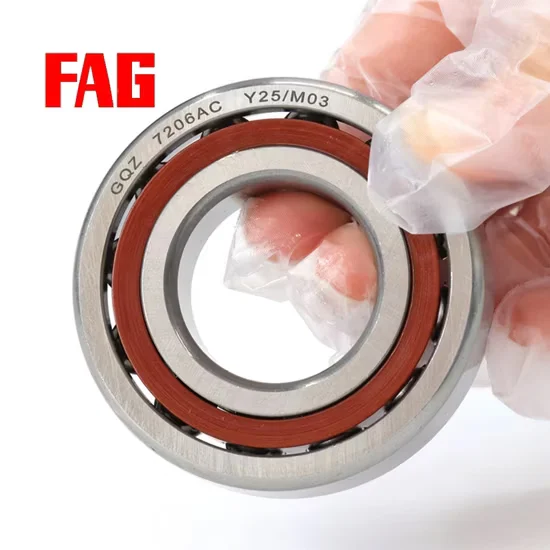 Machine Tool Spindle Bearings FAG B7024-E-T-P4s-UL Angular Contact Ball Bearing for Machine Tool Spindle
 Machine Tool Spindle Bearings FAG B7036-C-T-P4s-UL Angular Contact Bearing for Precision Machine Tool Spindles
Where This Bearing Is Used
These applications match this FAG bearing. Open one to see the related bearing types for that equipment.
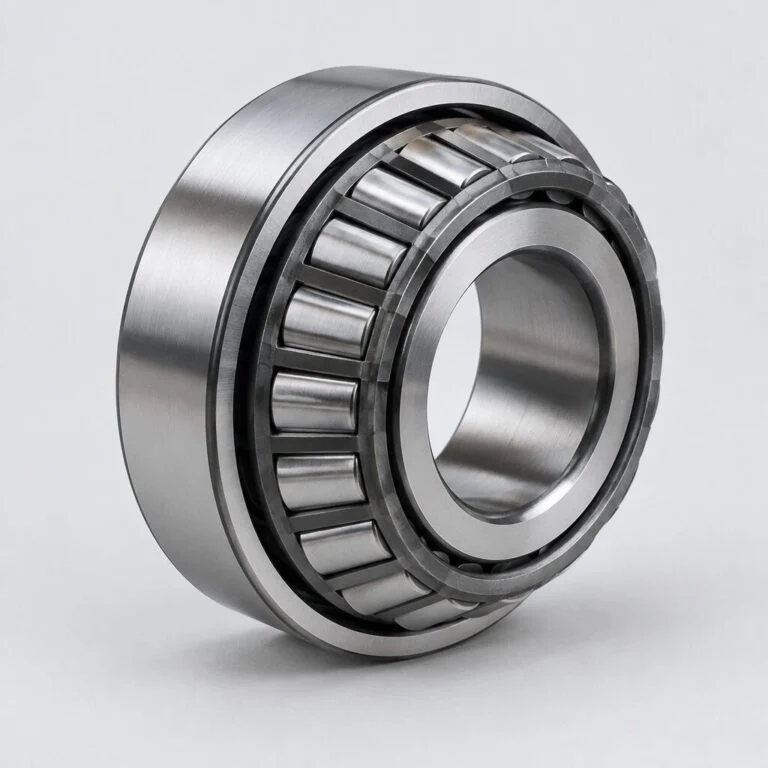
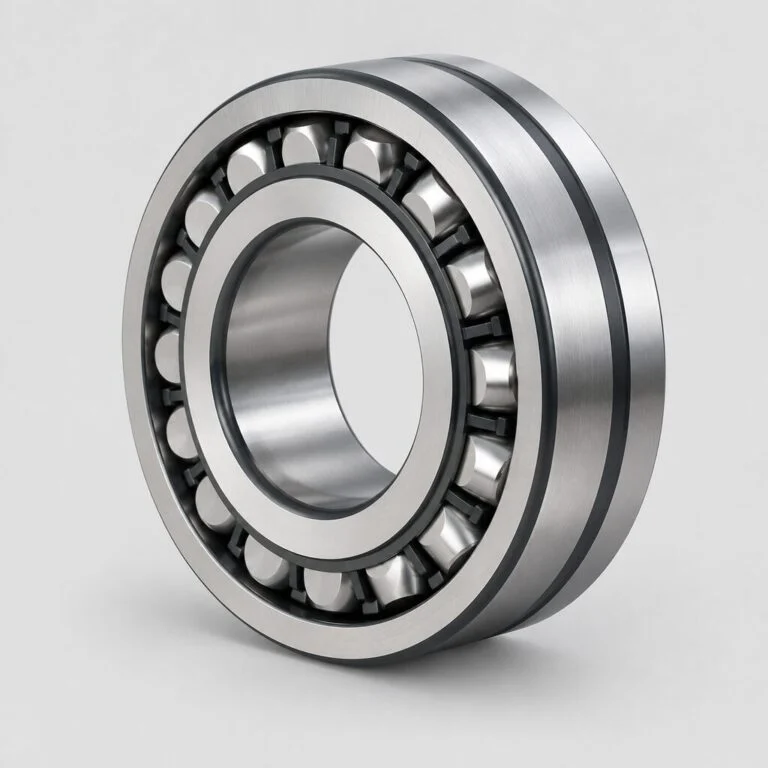
Selection and Technical Guides
These guides cover bearing selection and identification topics related to this product, for engineers checking the working condition.
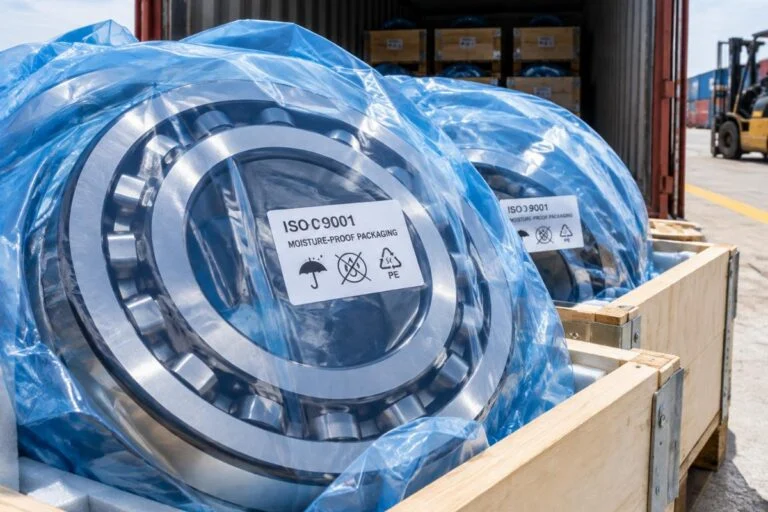 News & Cases Oct 3, 2026 Heavy Industry Bearing Outlook 2026: Global Wholesale Supplier Heavy Industry Bearing Outlook 2026 shifts sourcing focus from unit cost to total landed cost and supply chain resilience. Discover how moisture-proof packaging, precise…
 Technical Resources Oct 3, 2026 FAG Industrial Bearing Glossary: Wholesale Supplier & Bulk for Sale Master the FAG Industrial Bearing Glossary to prevent catastrophic mismatches caused by misinterpreted suffixes in harsh environments. Accurate decoding of seal compatibility and clearance…
 Installation & Maintenance Oct 3, 2026 FAG Bearing Damage Patterns: Field Guide for Industrial MRO Wholesale Supplier Master FAG bearing damage patterns to distinguish installation errors from manufacturing defects and prevent unnecessary warranty claims. Identify root causes like brinelling from hammer…
Frequently Asked Questions
Most questions on this FAG bearing come down to the complete model, substitutes, mounting parts and product documents.
How do I confirm the complete FAG model for this bearing?
Send the complete FAG model, including any vibration or temperature specification named for the duty. If the marking is worn or the record is incomplete, attach clear photos of the bearing marking and say what still needs confirming. Identification gaps are resolved before you accept the quote.
Can a substitute be considered for this bearing?
Yes, if you state that a substitute can be considered. Any substitute is identified separately from the requested model. Technical changes require buyer approval.
Which mounting parts should accompany a heavy-bearing request?
List the housings, adapter sleeves and withdrawal sleeves that belong to each bearing position. They can be requested with the bearing in one enquiry. This keeps mill and crusher overhaul lists complete across every position.
Which product documents are available with this bearing?
Product documents are confirmed for each order at the quotation stage. Name the documents you need in your enquiry. Shipping documents for the order are confirmed together with the transport method and shipping arrangements.
How we pack and ship your order
Export packing
Packed for international transport. Tell us if you need custom labels, marks or packing.
Shipping to you
Tell us your port or delivery address and we will quote the freight and lead time for your order.
Shipping documents
Commercial invoice and packing list come with every shipment; ask us for any other documents your customs needs.
What our customers say
“Our heavy industrial machinery shop uses FAG spherical and cylindrical roller bearings for crushers, mills and large drives. This supplier confirms the load rating and clearance class, and every bearing arrives with the correct Schaeffler packaging.”
“We had a large FAG spherical roller bearing fail on a cement mill. The supplier identified the correct FAG reference, shipped within 24 hours, and the mill was back in service within a week. That kind of response saves real money in downtime.”
“What we value is their understanding of heavy-duty bearing arrangements. They asked about the load direction, misalignment and lubrication before confirming the FAG reference. On one order, they suggested a higher-capacity series that matched our duty better.”
Written quotation
Request a Written Quote for Genuine FAG B7011-C-T-P4s-UL Angular Contact Bearing for CNC Spindle Router
Your next step is simple: Heavy Industrial Machinery Company confirms the exact specification and complete assembly with you, then issues a written quote covering model, quantity, price and currency, availability, expected lead time and validity.