FAG Bearing Damage Patterns: Field Guide for Industrial MRO Wholesale Supplier
- Published
- Installation & Maintenance
- By author

FAG Bearing Damage Patterns: Field Guide for Industrial MRO Wholesale Supplier
Most premature bearing failures are not manufacturing defects.
Identifying specific FAG bearing damage patterns allows maintenance teams to distinguish between installation errors and material fatigue, preventing unnecessary warranty claims and reducing unplanned downtime. The majority of early failures stem from improper handling, incorrect lubrication volumes, or misalignment rather than inherent product quality issues.
I still remember the smell of burnt grease in a plastic injection molding plant in Dongguan. The production manager was furious, holding a seized cylindrical roller bearing that had failed in less than three months. He insisted it was a bad batch. I asked to see the installation tools. In the corner lay a heavy iron hammer and a steel drift pin. The outer ring raceway was dotted with deep, sharp dents. This was not fatigue; this was brute force. The installer had driven the bearing onto the shaft by striking the outer ring directly, transferring impact energy through the rolling elements into the raceway. This kind of visible trauma is a classic signature of installation-induced damage, yet it is frequently misdiagnosed as a quality defect. Understanding these visual cues is critical for any professional dealing with FAG bearing damage patterns.
When you can read the story written on a failed component, you stop guessing and start solving. Let us break down the most common failure modes seen in industrial environments.
How to Identify Installation-Induced Damage?
Brinelling and denting indicate direct impact or overload, not material fatigue.
Installation errors are the leading cause of premature bearing failure. When a bearing is mounted incorrectly, the damage is often immediate and distinct. The most common mistake is using excessive force without proper tools. As seen in the injection mold case, striking the outer ring of a cylindrical roller bearing causes brinelling. These are small, permanent indentations in the raceway that correspond to the diameter of the rolling elements. They create stress concentration points that lead to early spalling and vibration.
Another frequent error is misalignment during mounting. If a spherical roller bearing is forced onto a tapered seat without checking the axial displacement, it can induce high internal stresses. This often results in uneven wear patterns across the width of the rollers. A proper installation requires hydraulic nuts or induction heaters to expand the inner ring, allowing it to slide onto the shaft with minimal force. Using a torch to heat a bearing unevenly can alter the metallurgy of the steel, reducing its hardness and load-carrying capacity. [NEED_CITE: ISO standards for bearing mounting and clearance adjustment]
| Damage Feature | Visual Indicator | Root Cause | Prevention Method |
|---|---|---|---|
| Brinelling | Sharp, periodic dents in raceway | Direct hammer strike or shock load | Use hydraulic press or induction heater |
| Misalignment Wear | Uneven wear across roller width | Angular misalignment during fit | Check housing bore alignment and use self-aligning seats |
| Cracked Ring | Fracture starting from shoulder | Excessive interference fit | Verify shaft tolerance and use proper expansion methods |
In one instance, a heavy machinery MRO team reported repeated seizures in a crusher application. Upon inspection, the inner rings showed signs of creeping on the shaft. The fitter had used a loose fit to make assembly easier, ignoring the required interference fit for rotating rings. This slippage generated friction heat, welding the micro-asperities of the steel together. Recognizing these patterns in FAG bearing damage patterns helps technicians correct the process rather than just replacing the part.
What Do Lubrication Failures Look Like?
Discoloration and smearing point to oil starvation or over-greasing.
Lubrication is the lifeblood of a bearing, but more is not always better. A common misconception among operators is that packing a bearing full of grease ensures longevity. In reality, over-greasing causes churning, which generates excessive heat. This heat can degrade the grease thickener, leading to oil separation and eventual starvation. The visual sign of this is dark, carbonized grease residue and blue or brown discoloration of the rolling elements and raceways.
Conversely, under-lubrication leads to metal-to-metal contact. This results in adhesive wear, where material is transferred from one surface to another. You will see a smeared, glossy appearance on the rollers and raceways, often accompanied by microscopic tearing of the surface. In contaminated environments, such as conveyor systems in mining or cement plants, abrasive particles can enter the bearing if seals are compromised. This creates uniform, fine scratches across all contacting surfaces. [NEED_CITE: Industry guidelines on lubrication intervals and contamination control]
A European wind farm operator once faced repeated generator bearing failures. The maintenance logs showed regular greasing, but the bearings were overheating. Inspection revealed that the grease guns were injecting new grease without purging the old, degraded material. The cavity was overfilled, causing the rolling elements to drag through a solid mass of grease. Switching to a calculated volume based on bearing size and speed resolved the issue. Understanding these nuances is essential when analyzing FAG bearing damage patterns in high-load applications.
How to Distinguish Wear from Fatigue?
Spalling is natural end-of-life; abrasive wear indicates seal failure or contamination.
Fatigue is the expected end of a bearing’s life cycle. It manifests as spalling, where small pieces of material flake off the raceway or rolling elements. This process starts subsurface, where cyclic stress creates micro-cracks that propagate to the surface. Spalling usually appears as rough, irregular patches and is often preceded by increased vibration and noise. It is a gradual process that allows for planned replacement.
Abrasive wear, on the other hand, is sudden and preventable. It occurs when hard particles, such as dust, sand, or metal shavings, enter the bearing interior. These particles act like cutting tools, scoring the surfaces. The damage is characterized by fine, parallel scratches that may cover the entire contact area. This type of damage indicates a failure in the sealing system or a breach in the housing integrity. In dirty environments, upgrading to bearings with integrated seals or improving the labyrinth seal design is crucial.
Distinguishing between these two is vital for root cause analysis. If you replace a bearing showing spalling with another identical unit without changing the operating conditions, it will eventually fail again, but after its designed life. If you replace a bearing with abrasive wear without fixing the seal, the new bearing will fail rapidly. This distinction is a key component of effective FAG bearing damage patterns analysis.
How to Prevent Recurring Damage?
Standardize installation tools and lubrication schedules.
Prevention is far cheaper than reaction. The first step is to eliminate improper tools from the workshop. Ban hammers and drift pins for precision bearing installation. Invest in induction heaters, hydraulic nuts, and torque wrenches. These tools ensure that the force is applied correctly and uniformly, preventing the mechanical damage seen in many field failures. [NEED_CITE: Best practices for bearing maintenance tooling]
Second, implement a strict lubrication protocol. Calculate the correct grease volume based on the bearing type, speed, and operating temperature. Use automated lubricators where possible to ensure consistent delivery. Regularly inspect seals and replace them if they show signs of wear or hardening. In contaminated environments, consider using bearings with enhanced sealing solutions or ceramic coatings for added protection.
Finally, train your maintenance staff. Many failures occur because technicians rely on habit rather than procedure. Regular training sessions on reading FAG bearing damage patterns can empower your team to identify issues early. When a failure does occur, perform a thorough root cause analysis. Document the findings and share them with the team to prevent recurrence. This systematic approach transforms maintenance from a cost center into a reliability strategy.
For complex cases where the root cause is unclear, technical support can be invaluable. Access to genuine components with full traceability ensures that you are not fighting a battle with counterfeit or substandard parts. A reliable supply chain provides not just the hardware, but the technical datasheets and cross-reference support needed to make informed decisions. Whether you need a single emergency spare or a container load for a major overhaul, having a partner who understands the nuances of global MRO requirements simplifies the process.
Conclusion
Accurate diagnosis prevents repeat failures.
Recognizing the specific signs of installation error, lubrication failure, and contamination allows maintenance teams to address the root cause rather than just the symptom. By standardizing procedures and using the right tools, industrial operators can extend bearing life and reduce downtime. Mastering FAG bearing damage patterns is not just about inspection; it is about building a culture of precision and reliability in every maintenance task.
Send Your FAG Bearing List for a Written Quote
FAG Bearing Supplier quotes spherical, cylindrical, tapered and thrust roller bearings together with housings and sleeves, for urgent replacements or planned shutdown orders. Any technical change is proposed separately and needs your approval.
- 1
Send your list by form, WhatsApp or email, position by position.
- 2
We confirm identification: exact version, complete assembly, and any clearly marked alternative.
- 3
Receive a written quote with designation, quantity, price and currency, stock status, estimated lead time and validity.
- Email: info@fagome.com
- Address:

Related FAG Bearing Maintenance Articles
More notes on version identification, mounting accessories and shutdown planning for heavy equipment.
 01
Oct 3, 2026 · Installation & Maintenance · 7 min read
FAG Bearing Maintenance Checklist: Wholesale Supplier for Bulk MRO Orders
Master the FAG bearing m…
Read the full article 02
Oct 3, 2026 · Installation & Maintenance · 7 min read
FAG Housing Seals: Genuine Wholesale Supplier for Bulk Orders
Optimize Seal Choices fo…
Read the full article 03 Oct 3, 2026 · Installation & Maintenance · 8 min read
FAG Bearing Shaft & Housing Fits: Wholesale Supplier
Mastering FAG bearing sh…
Read the full articleFAG Roller Bearings and Accessories for Heavy Equipment
Selected FAG bearings for mills, crushers, conveyors and industrial drives. Housings and sleeves can be quoted with the bearing.
Scroll sideways to browse →
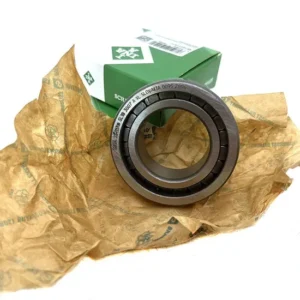
X&S INA Nup1007em Cylindrical Roller Bearing for Auto Motor Spare Part
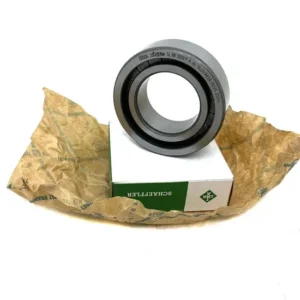
INA B7018C.T.P4S B7018E.T.P4S Angular Contact Ball Bearing for Turbojet
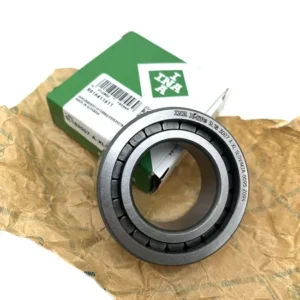
X&S NN3060/Y1 Double Row Cylindrical Roller Bearing for Heavy Load
X&S B7012E.T.P4S Angular Contact Ball Bearing for Metallurgical Rolling Mills
X&S NN3072K NN3008 Cylindrical Roller Bearing with Pin Cam Follower
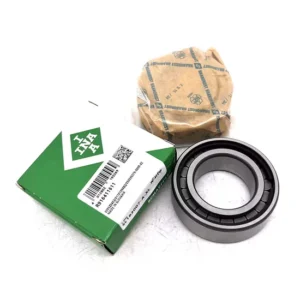
Genuine INA SL183007-A-XL NJ2208 NU2208 Cylindrical Roller Bearing for Auto Parts
INA H7012C-2RZ-P4 B706C T P4S Angular Contact Ball Bearing for Forklift Auto