Large FAG Bearings Wholesale Supplier: Genuine Stock & Bulk Orders
- Published
- Installation & Maintenance
- By author

Large FAG Bearings Wholesale Supplier: Genuine Stock & Bulk Orders
Flame heating is not a shortcut; it is a death sentence for bearing metallurgy.
Proper handling and precise installation of large FAG bearings are the absolute prerequisites for reliability in heavy-duty mining and industrial applications. Avoiding violent mounting methods like direct hammering or open-flame heating, and ensuring original authenticity through complete traceability, are the non-negotiable bottom lines for preventing catastrophic equipment failure.
I still remember the silence in a South American copper mine processing plant. It was not the quiet of efficiency, but the hollow sound of a stopped conveyor. A batch of cylindrical roller bearings had seized within a week of installation. The local maintenance team, under pressure to minimize downtime, had used gas welding torches to heat the outer rings for mounting. The intense, uncontrolled heat annealed the steel, destroying its hardness. When I inspected the failed units, the raceways were discolored and soft. That incident shifted my focus from mere logistics to the critical intersection of genuine product integrity and correct technical application. In the world of heavy industry, the difference between a successful installation and a costly shutdown often lies in these invisible details. [NEED_CITE: common causes of premature bearing failure in heavy industry]
The market is flooded with options, but for critical assets, only verified components will do. As a Large FAG Bearings Wholesale Supplier, we see too many operations compromise on sourcing or installation, leading to avoidable losses. Understanding the technical rigor required for these components is essential for any procurement or maintenance strategy.
Why is Proper Handling Crucial for Large FAG Bearings?
Mishandling causes invisible damage that leads to sudden heavy-load failures.
Large bearings are not just scaled-up versions of their smaller counterparts; they are complex mechanical assemblies where internal clearances and surface finishes are maintained within micron-level tolerances. Any deviation during handling can compromise this precision. The core argument here is simple: physical abuse during storage or mounting creates micro-defects that propagate under load, leading to premature fatigue.
Consider the issue of contamination. Improper unboxing or storing bearings in humid environments without proper protection can lead to surface corrosion before the bearing even touches the shaft. This rust acts as an abrasive during initial rotation, accelerating wear. In one case involving a steel mill in Southeast Asia, a significant portion of their inventory was scrapped due to rust formed during poor storage conditions, resulting in a noticeable increase in cleaning time costs and material waste. [NEED_CITE: impact of storage conditions on bearing shelf life]
Furthermore, violent impact during mounting is a silent killer. Direct hammering on the rolling elements or races introduces micro-cracks. These cracks are often invisible to the naked eye but serve as initiation points for spalling under heavy operational loads. The vibration levels in such equipment tend to increase noticeably over a short period, signaling impending failure. This is why professional handling procedures emphasize the use of proper tools and controlled force application. For buyers seeking a reliable Large FAG Bearings Wholesale Supplier, understanding these risks highlights the value of not just the product, but the technical guidance that accompanies it.
Step-by-Step Guide to Safe Storage and Pre-Installation Preparation
Environmental control and meticulous cleaning prevent premature corrosion and contamination.
Before a bearing is ever mounted, its lifecycle is already being determined by how it is stored and prepared. The goal is to maintain the factory condition until the moment of installation. This requires a disciplined approach to environment and hygiene.
First, storage conditions must be stable. Bearings should be kept in their original packaging in a dry, vibration-free environment. Temperature fluctuations can cause condensation inside the packaging, leading to rust. For large units, which are often stored for extended periods before project commissioning, regular inspection of packaging integrity is vital.
Second, preparation involves more than just unwrapping. The mounting area, including the shaft and housing, must be cleaned to remove any burrs, dirt, or old lubricant. Even small particles can cause indentations on the raceways. Use lint-free cloths and appropriate solvents. The workspace itself should be as clean as possible to prevent airborne contaminants from settling on the exposed bearing surfaces.
| Preparation Step | Key Action | Risk if Neglected |
|---|---|---|
| Storage Environment | Dry, stable temperature, original packaging | Corrosion, rust formation |
| Shaft/Housing Cleaning | Remove burrs, dirt, old grease | Surface indentations, misalignment |
| Workspace Hygiene | Clean, dust-free area | Contamination of rolling elements |
| Tool Inspection | Clean, calibrated tools | Introduction of foreign particles |
This level of diligence ensures that the bearing starts its service life with no pre-existing defects. It is a fundamental part of the service provided by a competent Large FAG Bearings Wholesale Supplier, who understands that product quality extends beyond the manufacturing gate. [NEED_CITE: ISO standards for bearing storage and handling]
Correct Mounting Methods: Induction Heating vs. Hydraulic Press
Use controlled induction heating or precise hydraulic pressing; strictly forbid open flames and hammering.
The mounting process is where most errors occur. For large FAG bearings, particularly those with interference fits, thermal expansion or mechanical force is required. However, the method matters immensely.
Induction heating is the preferred thermal method. It allows for precise temperature control, typically keeping the bearing below 120°C to avoid altering the metallurgical structure of the steel. This uniform heating ensures even expansion, allowing the bearing to slide onto the shaft easily without force. In contrast, using open flames or gas torches creates localized hot spots. As seen in the earlier copper mine example, this can anneal the steel, reducing its hardness and load-carrying capacity significantly. The result is rapid failure under normal operating conditions. [NEED_CITE: maximum allowable heating temperature for standard bearing steels]
For mechanical mounting, hydraulic presses offer controlled, axial force. This prevents the misalignment and impact damage associated with hammering. The pressure applied must be calculated based on the fit tolerance to ensure the bearing seats correctly without damaging the cage or rolling elements.
Here lies a critical point about authenticity. Genuine FAG bearings are engineered to withstand these proper mounting techniques. Counterfeit or substandard “water goods” often lack the material integrity and precise heat treatment of authentic products. They may crack under induction heating or deform under hydraulic pressure because their internal structure is inconsistent. This is why sourcing from a verified Large FAG Bearings Wholesale Supplier with complete traceability is not just about brand preference; it is about ensuring the component can survive the correct installation process. We emphasize genuine stock because only authentic bearings provide the reliability required for heavy-duty applications.
Post-Installation Inspection and Maintenance Routines
Initial run-in checks and regular lubrication schedules maximize service life in harsh environments.
Installation does not end when the bearing is seated. The initial run-in period is critical for identifying any issues before they escalate. After mounting, the equipment should be rotated manually to check for smoothness and any binding. Once operational, monitor vibration and temperature levels closely during the first few hours of operation. A noticeable increase in vibration or unusual noise can indicate misalignment or contamination introduced during mounting.
Regular maintenance is equally important. Large bearings in heavy industries like mining or steel production operate under extreme loads and often in contaminated environments. Proper lubrication is key to separating the rolling elements and preventing metal-to-metal contact. Use the recommended lubricant type and quantity, and adhere to a strict re-lubrication schedule. Over-lubrication can be as harmful as under-lubrication, causing churning and heat generation.
Inspection routines should include checking for leaks, seal integrity, and any signs of external damage. Early detection of issues allows for planned maintenance rather than emergency repairs. This proactive approach minimizes unplanned downtime, which is the primary concern for MRO managers and operators. By following these routines, the service life of the bearing can be extended meaningfully, providing a better return on investment. [NEED_CITE: best practices for bearing lubrication in heavy-duty applications]
Conclusion
Precision in handling and authenticity in sourcing are the foundations of reliability.
The performance of large FAG bearings in heavy-duty applications is directly linked to how they are handled, installed, and maintained. Avoiding destructive practices like flame heating and violent impact, while ensuring a clean and controlled environment, prevents invisible damage that leads to premature failure. Sourcing genuine products with full traceability from a trusted Large FAG Bearings Wholesale Supplier ensures that the bearings possess the material integrity to withstand proper installation and operational stresses. By adhering to these technical guidelines, operators can safeguard their equipment against catastrophic failures and maintain continuous productivity.
Send Your FAG Bearing List for a Written Quote
FAG Bearing Supplier quotes spherical, cylindrical, tapered and thrust roller bearings together with housings and sleeves, for urgent replacements or planned shutdown orders. Any technical change is proposed separately and needs your approval.
- 1
Send your list by form, WhatsApp or email, position by position.
- 2
We confirm identification: exact version, complete assembly, and any clearly marked alternative.
- 3
Receive a written quote with designation, quantity, price and currency, stock status, estimated lead time and validity.
- Email: info@fagome.com
- Address:

Related FAG Bearing Maintenance Articles
More notes on version identification, mounting accessories and shutdown planning for heavy equipment.
 01
Oct 3, 2026 · Installation & Maintenance · 7 min read
FAG Bearing Maintenance Checklist: Wholesale Supplier for Bulk MRO Orders
Master the FAG bearing m…
Read the full article 02
Oct 3, 2026 · Installation & Maintenance · 7 min read
FAG Housing Seals: Genuine Wholesale Supplier for Bulk Orders
Optimize Seal Choices fo…
Read the full article 03 Oct 3, 2026 · Installation & Maintenance · 8 min read
FAG Bearing Shaft & Housing Fits: Wholesale Supplier
Mastering FAG bearing sh…
Read the full articleFAG Roller Bearings and Accessories for Heavy Equipment
Selected FAG bearings for mills, crushers, conveyors and industrial drives. Housings and sleeves can be quoted with the bearing.
Scroll sideways to browse →
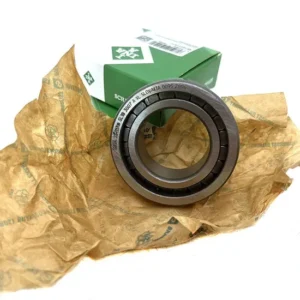
X&S INA Nup1007em Cylindrical Roller Bearing for Auto Motor Spare Part
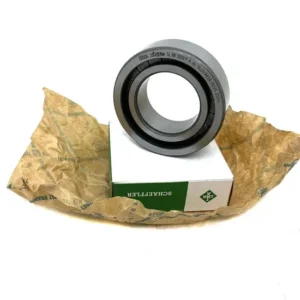
INA B7018C.T.P4S B7018E.T.P4S Angular Contact Ball Bearing for Turbojet

X&S NN3060/Y1 Double Row Cylindrical Roller Bearing for Heavy Load
X&S B7012E.T.P4S Angular Contact Ball Bearing for Metallurgical Rolling Mills
X&S NN3072K NN3008 Cylindrical Roller Bearing with Pin Cam Follower

Genuine INA SL183007-A-XL NJ2208 NU2208 Cylindrical Roller Bearing for Auto Parts
INA H7012C-2RZ-P4 B706C T P4S Angular Contact Ball Bearing for Forklift Auto