Order FAG Bearings with Special Cages from Wholesale Supplier
- Published
- Procurement & Trade FAQs
- By author

Order FAG Bearings with Special Cages from Wholesale Supplier
Cage material dictates external packaging standards and HS code classification, not just internal friction.
Ordering FAG bearings with special cages requires strict attention to material specs, customized packaging, and precise customs documentation to prevent transit damage and clearance delays. Phenolic and brass cages demand independent anti-collision protection in mixed LCL shipments, while accurate HS code declaration prevents inspection holds at destination ports.
I learned this the hard way in Shekou Port, where I spent years wrestling with customs declarations before moving into bearing trade. A single letter on a document can cause massive trouble. Once, I handled a consolidated LCL shipment for a client in Dubai containing FAG bearings with both brass and phenolic cages. The customs declaration did not differentiate the HS codes for the different cage materials, and the phenolic cages were not given independent crash protection in the mixed container. When the shipment arrived at Jebel Ali Port, it was held for inspection. Upon unpacking, the edges of the phenolic cages were deformed from impact, and the client rejected the entire lot. Since then, I scrutinize every detail of ordering FAG bearings with special cages, from selection and packaging to customs documentation.
This experience highlights why global distributors and MRO buyers must look beyond basic part numbers. The procurement process for these components involves nuanced technical and logistical considerations that standard steel-cage bearings do not require.
How to Choose the Right Cage Material for Your Application?
Match cage material to specific speed, load, and temperature limits using FAG suffix codes.
The choice between brass, phenolic, or polyamide cages is not merely a preference but a technical necessity dictated by operating conditions. Brass cages are robust and suitable for high-speed applications with moderate temperatures, while phenolic cages offer excellent damping properties but are brittle under impact. Polyamide cages provide lightweight performance but have strict temperature limits. [NEED_CITE: FAG technical catalog cage material selection matrix]
| Cage Material | Speed Capability | Temperature Resistance | Impact Resistance | Typical Application |
|---|---|---|---|---|
| Brass (M) | High | Moderate | Robust | Heavy machinery, high-speed motors |
| Phenolic (B) | Moderate | High | Brittle | High-temp environments, low-vibration |
| Polyamide (TNH) | High | Low | Moderate | Lightweight applications, clean environments |
A heavy machinery OEM once required bearings for a high-temperature application. They initially selected standard cages but faced premature failures due to thermal expansion mismatches. Switching to a specific phenolic cage material resolved the issue, but it extended the lead time compared to standard stock items. This delay was acceptable because the alternative was unplanned downtime. [NEED_CITE: ISO standards for bearing operating conditions]
When ordering FAG bearings with special cages, always verify the suffix code against the operational environment. Do not assume that a cheaper phenolic cage is universally better; in high-impact scenarios, its replacement cost due to transit damage or operational failure can outweigh initial savings.
What Are the Packaging Requirements for Fragile Cages?
Phenolic and special cages need independent anti-collision protection, especially in mixed LCL shipments.
Standard bearing packaging is designed for robust steel cages. However, phenolic and some brass cages are susceptible to deformation if subjected to lateral pressure or impact during transit. This is particularly critical in Less than Container Load (LCL) shipments where goods from multiple suppliers are consolidated. [NEED_CITE: ISO standards for bearing packaging]
In my early days, I saw many shipments fail because buyers assumed standard factory packaging was sufficient for all cage types. For fragile cages, independent anti-collision protection is non-negotiable. This means using individual bubble wrap or foam inserts within the outer carton, rather than relying solely on the bearing box.
A mining MRO client once needed an emergency replacement for a crusher bearing with a special cage. The urgency led to a rushed LCL consolidation without adequate reinforcement. The bearing arrived with a cracked phenolic cage, rendering it useless. The cost of air-freighting a replacement far exceeded the savings from the initial consolidated shipping.
When you order FAG bearings with special cages, specify the need for reinforced packaging if the shipment is LCL or involves multiple handling points. Our consolidation service includes independent crash protection for these sensitive components to ensure they arrive in pristine condition.
How to Avoid Customs Delays with Special Cage Bearings?
Accurately declare HS codes and provide detailed packing lists specifying cage materials to prevent inspection holds.
Customs authorities often classify bearings based on their primary material and function. However, special cages can alter the classification or trigger additional scrutiny if not declared correctly. Many buyers assume that all ball bearings fall under a single HS code, but variations in cage material and bearing type can require specific subheadings. [NEED_CITE: WCO HS code nomenclature for bearing components]
In the Dubai case I mentioned earlier, the lack of differentiation in the HS code for brass versus phenolic cages raised red flags during inspection. The customs officers needed to verify the contents against the declaration, leading to delays and eventual damage during the unpacking process.
To avoid this, provide a detailed packing list that explicitly states the cage material for each bearing item. Do not just list “FAG Bearing”; specify “FAG Deep Groove Ball Bearing with Phenolic Cage.” This transparency helps customs officers clear the shipment faster and reduces the risk of physical inspection that could damage fragile components.
When ordering FAG bearings with special cages, ensure your supplier provides precise documentation that aligns with the destination country’s import regulations. This proactive approach minimizes the risk of clearance delays and unexpected storage fees.
What Are the MOQ and Lead Times for Special Cages?
Special cages may require higher MOQs or longer lead times compared to standard stamped steel cages.
Standard bearings with stamped steel cages are often available in large quantities from global stock. However, bearings with special cages like brass or phenolic are sometimes produced in smaller batches or made-to-order. This affects both the Minimum Order Quantity (MOQ) and the lead time. [NEED_CITE: FAG official technical catalogs for cage suffixes and availability]
A European distributor once placed an order for a niche bearing size with a brass cage. They expected the same two-week lead time as standard items but faced a six-week delay because the manufacturer had to schedule a specific production run for that cage type. Planning ahead is crucial when sourcing these components.
Additionally, MOQs for special cage bearings can be higher because manufacturers prefer to produce them in economic batch sizes. If you need a small quantity, be prepared for potential surcharges or longer wait times as suppliers consolidate orders from other clients.
When you order FAG bearings with special cages, confirm the current stock status and production schedule with your supplier. Flexible sourcing partners can help consolidate mixed-brand orders to meet MOQ requirements while maintaining reasonable lead times for urgent MRO needs.
Conclusion
Precision in specification, packaging, and documentation ensures the integrity of special cage bearings.
Ordering FAG bearings with special cages demands more than just selecting the right part number. It requires a holistic approach that considers material properties, packaging vulnerabilities, and customs compliance. By understanding the specific needs of phenolic and brass cages, buyers can avoid costly damages and delays.
Global distributors and MRO operators must prioritize detailed communication with their suppliers. From reinforcing packaging for LCL shipments to declaring accurate HS codes, every step contributes to a smooth procurement process. This diligence protects your investment and ensures that your machinery operates reliably with genuine, undamaged components.
Send Your FAG Bearing List for a Written Quote
FAG Bearing Supplier quotes spherical, cylindrical, tapered and thrust roller bearings together with housings and sleeves, for urgent replacements or planned shutdown orders. Any technical change is proposed separately and needs your approval.
- 1
Send your list by form, WhatsApp or email, position by position.
- 2
We confirm identification: exact version, complete assembly, and any clearly marked alternative.
- 3
Receive a written quote with designation, quantity, price and currency, stock status, estimated lead time and validity.
- Email: info@fagome.com
- Address:

Related FAG Bearing Maintenance Articles
More notes on version identification, mounting accessories and shutdown planning for heavy equipment.
 01
Oct 2, 2026 · Procurement & Trade FAQs · 7 min read
FAG Bearings Annual Supply Agreements Wholesale Supplier
Secure your supply chain…
Read the full article 02
Oct 2, 2026 · Procurement & Trade FAQs · 8 min read
FAG Large Bearings Inspection Reports: Genuine Wholesale Supplier for Bulk Orders
Verify Inspection Report…
Read the full article 03
Oct 2, 2026 · Procurement & Trade FAQs · 7 min read
Ship Large FAG Bearings Safely: Wholesale Supplier for Bulk Orders
Shipping Large FAG Beari…
Read the full articleFAG Roller Bearings and Accessories for Heavy Equipment
Selected FAG bearings for mills, crushers, conveyors and industrial drives. Housings and sleeves can be quoted with the bearing.
Scroll sideways to browse →
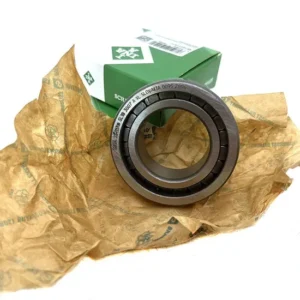
X&S INA Nup1007em Cylindrical Roller Bearing for Auto Motor Spare Part
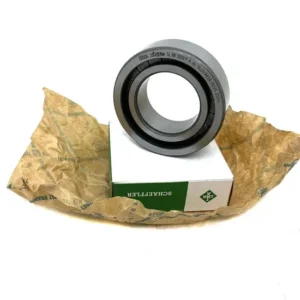
INA B7018C.T.P4S B7018E.T.P4S Angular Contact Ball Bearing for Turbojet
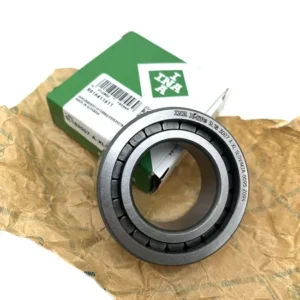
X&S NN3060/Y1 Double Row Cylindrical Roller Bearing for Heavy Load
X&S B7012E.T.P4S Angular Contact Ball Bearing for Metallurgical Rolling Mills
X&S NN3072K NN3008 Cylindrical Roller Bearing with Pin Cam Follower
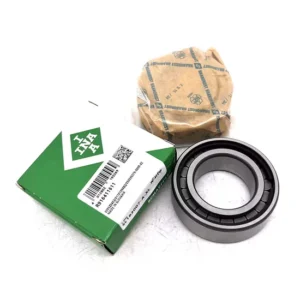
Genuine INA SL183007-A-XL NJ2208 NU2208 Cylindrical Roller Bearing for Auto Parts
INA H7012C-2RZ-P4 B706C T P4S Angular Contact Ball Bearing for Forklift Auto