Mining Equipment Bearing Demand 2026: Wholesale Supplier for Bulk Orders
- Published
- News & Cases
- By author

Mining Equipment Bearing Demand 2026: Wholesale Supplier for Bulk Orders
Blueprint perfection does not guarantee field survival.
The primary shift in mining equipment demand 2026 is not merely toward higher volume, but toward harsh-environment adaptability and logistical consolidation. Buyers must prioritize site-specific lubrication compatibility and mixed-container sourcing strategies over rigid adherence to standard clearance reports to prevent premature field failures.
I still recall the chill of that Alaskan morning, standing beside a crusher that had seized up just months after installation. The bearings were pristine on paper, with clearance reports that met every ISO standard. Yet, the extreme temperature range had turned the standard lubricant into a solid block, rendering the spherical roller bearings useless. That failure was not a manufacturing defect; it was a specification mismatch. In the world of bulk procurement, the distance between a warehouse shelf and a remote mine site is where value is either preserved or destroyed. As the market evolves, understanding the nuances of Mining Equipment Demand 2026 requires looking beyond the datasheet to the actual operating environment.
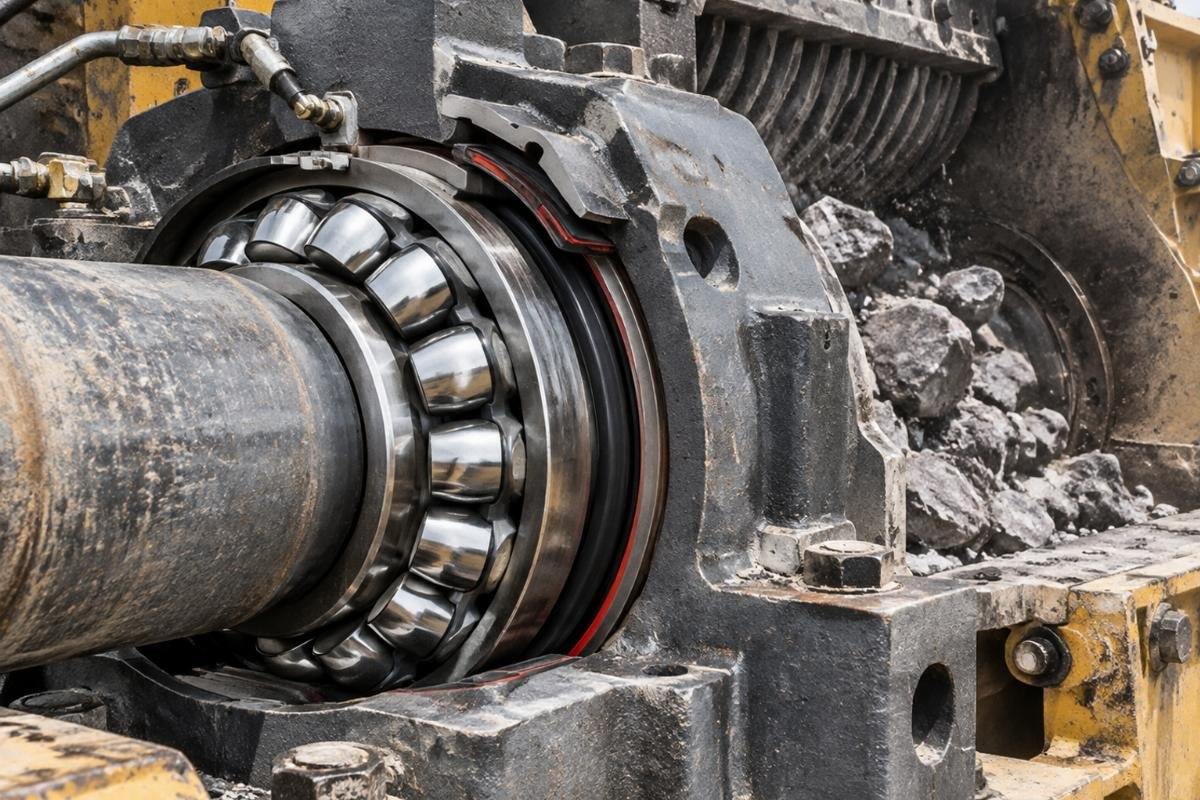
This realization reshaped how I approach every inquiry. It is no longer enough to simply match a part number. The modern buyer, whether an MRO operator or an OEM, faces a complex web of logistical constraints and environmental challenges. The following insights detail how to navigate these complexities, ensuring that your sourcing strategy aligns with the real-world demands of modern mining operations.
What Drives Mining Equipment Demand in 2026?
Demand is shifting toward heavy-duty, harsh-environment adaptability rather than just volume growth.
The global mining sector is undergoing a significant transformation. While production targets remain high, the focus has intensified on equipment reliability in increasingly remote and environmentally extreme locations. This shift directly influences Mining Equipment Demand 2026, pushing buyers to seek components that can withstand greater stress with less frequent maintenance intervals. [NEED_CITE: trends in remote mining operational costs]
In previous years, the primary metric for success was unit cost. Today, the total cost of ownership dominates decision-making. A bearing that costs slightly more but offers enhanced resistance to contamination and extreme temperatures can save a mine from days of unplanned downtime. This is particularly evident in the demand for bulk spherical roller bearings for mining, which are critical in applications such as crushers, vibrating screens, and conveyor systems.
From my perspective, the driver is not just the need for replacement parts, but the need for certainty. Mines are operating deeper and in colder climates, requiring components that do not just meet standard specifications but exceed them in specific areas like seal integrity and lubricant retention. When I review inquiries now, I look for clues about the environment. Is the site exposed to high moisture? Are temperatures fluctuating wildly? These factors dictate the type of bearing and lubrication required, far more than the basic load rating alone.

This evolution means that suppliers must offer more than just products; they must offer technical validation. The ability to verify that a bearing series is suitable for heavy-load applications in sub-zero temperatures is becoming a key differentiator. Buyers are no longer satisfied with generic catalog data. They require assurance that the components they source will perform under the specific duress of their operational sites.
Why Do Blueprint-Perfect Bearings Fail in the Field?
Ignoring extreme temperatures and site logistics causes premature failures despite perfect clearance specs.
It is a common misconception that a bearing with perfect internal clearance and surface finish will perform flawlessly. In reality, field conditions often deviate significantly from the controlled environment of a test lab. One of the most frequent causes of failure in mining applications is lubrication mismatch. [NEED_CITE: impact of lubrication viscosity on bearing life in extreme temperatures]
Consider the case of a mining site in a high-altitude region. The engineering team specified standard spherical roller bearings with a C3 clearance, which is typical for many industrial applications. However, they overlooked the fact that the ambient temperature could drop drastically at night. The standard grease used became too viscous, leading to poor lubrication film formation and eventual metal-to-metal contact. The bearings failed within months, not because of poor quality, but because of poor adaptation.
This highlights a critical gap in traditional procurement processes. Quality control often focuses on dimensional accuracy and material hardness, which are essential but insufficient. True quality in this context includes environmental adaptability. When evaluating Mining Equipment Demand 2026, it is crucial to assess whether the supplied components are compatible with the local climate and operational practices.
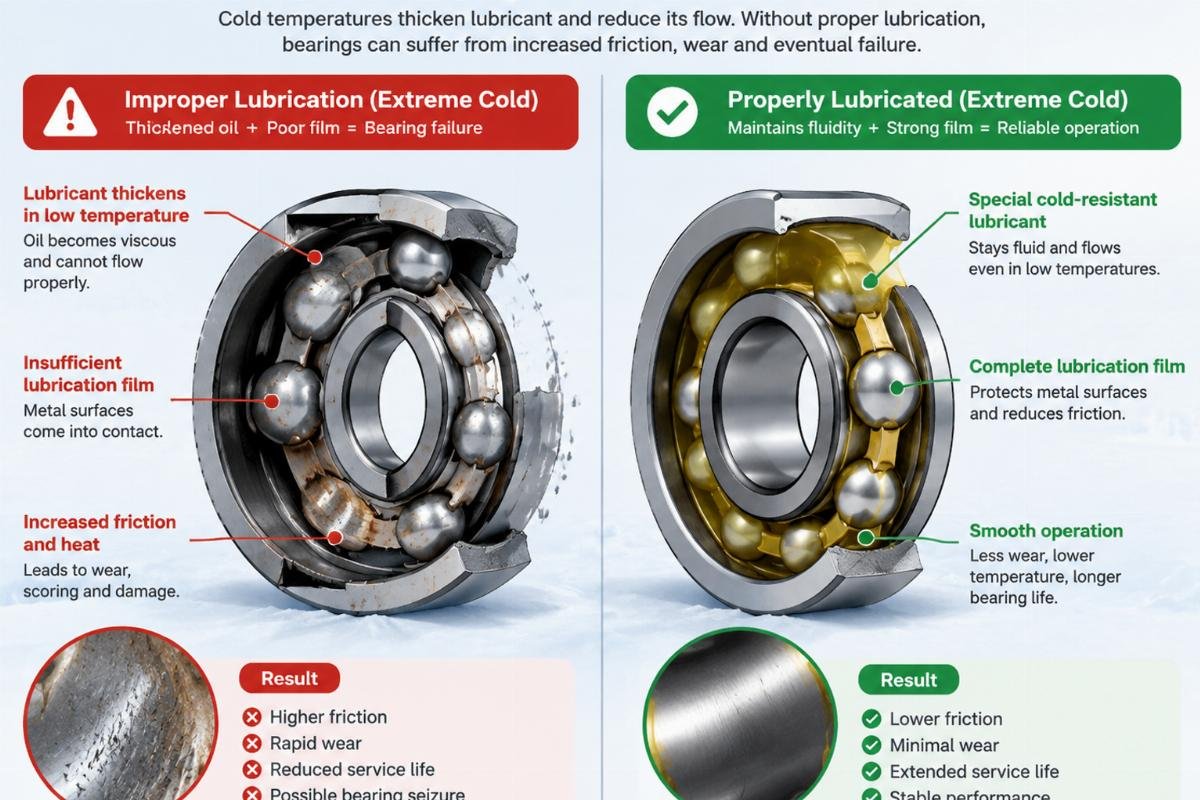
Another factor is contamination. Mining environments are dusty and wet. Standard seals may not provide adequate protection against fine particulate matter or water ingress. Upgrading to bearings with enhanced sealing solutions or using specialized lubricants can significantly extend service life. This is not about buying the most expensive option, but about buying the right option for the specific field conditions.
My experience has taught me to question the standard specs. If a buyer mentions a remote location or extreme weather, I immediately probe deeper into their lubrication regimen and sealing requirements. This proactive approach prevents the costly mistakes that arise from assuming one size fits all.
How to Optimize Bulk Bearing Sourcing for Remote Mines?
Mixed-container consolidation and multi-brand sourcing minimize downtime and logistics costs.
Sourcing for remote mines presents unique logistical challenges. Shipping full containers of a single brand or type is often inefficient and leads to excessive inventory holding costs. Instead, mixed-container consolidation has emerged as a strategic advantage. This approach allows buyers to combine various brands and types of bearings into a single shipment, optimizing space and reducing freight costs per unit.
For instance, a large mining operation might require spherical roller bearings from SKF for critical crushers, tapered roller bearings from TIMKEN for gearboxes, and deep-groove ball bearings from NSK for auxiliary motors. Sourcing these separately would involve multiple shipments, higher customs clearance fees, and complex coordination. By consolidating them into one container, the buyer simplifies the logistics chain and ensures that all necessary spare parts arrive simultaneously.
This strategy is particularly relevant when addressing Mining Equipment Demand 2026, as companies seek to streamline their supply chains. [NEED_CITE: benefits of consolidated shipping for mining MRO] The ability to source genuine products from multiple premium brands such as FAG, INA, NTN, and KOYO, alongside reliable domestic lines, provides flexibility and risk mitigation. It ensures that if one brand faces stock issues, alternatives are readily available without compromising on quality.

Moreover, mixed-container sourcing reduces lead times. Instead of waiting for multiple partial shipments, the entire order arrives at once. This is crucial for MRO operators who need to maintain optimal stock levels without tying up excessive capital in inventory. The key is working with a supplier who has the infrastructure and expertise to handle such complex consolidation while maintaining traceability and authenticity for each item.
What Lessons Learned from Past Field Failures?
Always verify lubrication and environmental adaptability before approving bulk orders.
The most valuable lessons in bearing procurement come from analyzing past failures. Each incident provides insight into what went wrong and how to prevent it in the future. One recurring theme is the disconnect between the purchasing department and the maintenance team. Purchasers may focus on price and delivery time, while maintenance teams deal with the reality of installation and operation.
Bridging this gap requires clear communication and technical verification. Before finalizing a bulk order, it is essential to confirm the operating conditions with the end-users. What are the temperature ranges? What type of lubrication is currently used? Are there any history of contamination issues? These questions help tailor the specification to the actual needs of the site.
Another lesson is the importance of verifying the authenticity of the products. The market is flooded with counterfeit bearings that look identical to genuine ones but fail prematurely. Working with a supplier who provides complete traceability documentation and ISO-compliant quality assurance is non-negotiable. [NEED_CITE: risks of counterfeit bearings in heavy industry]
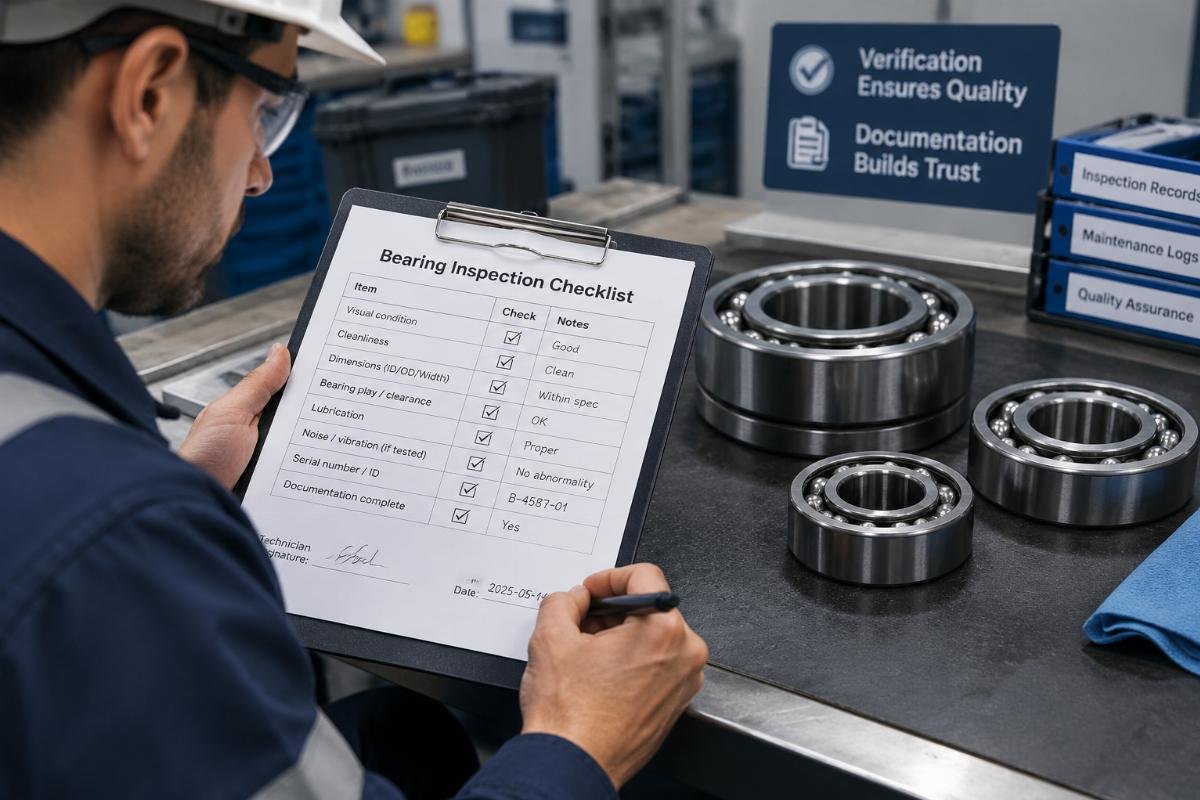
In my practice, I insist on reviewing the application details for every major order. If a buyer requests a large quantity of spherical roller bearings for a mining project, I ask for the equipment manual and the maintenance history. This allows me to recommend the most suitable series and lubrication type, ensuring that the bearings will perform as expected. It is a small step that can prevent major disruptions.
Conclusion
Field adaptability trumps blueprint precision in modern mining procurement.
The landscape of Mining Equipment Demand 2026 is defined by the need for resilience and logistical efficiency. Buyers must move beyond simple part-number matching to consider the holistic environment in which the bearings will operate. By prioritizing harsh-environment adaptability, leveraging mixed-container consolidation, and learning from past field failures, organizations can secure their supply chains and enhance operational reliability. Success lies not just in acquiring the right components, but in ensuring they are suited to the rigorous demands of the mining frontier.
Send Your FAG Bearing List for a Written Quote
FAG Bearing Supplier quotes spherical, cylindrical, tapered and thrust roller bearings together with housings and sleeves, for urgent replacements or planned shutdown orders. Any technical change is proposed separately and needs your approval.
- 1
Send your list by form, WhatsApp or email, position by position.
- 2
We confirm identification: exact version, complete assembly, and any clearly marked alternative.
- 3
Receive a written quote with designation, quantity, price and currency, stock status, estimated lead time and validity.
- Email: info@fagome.com
- Address:

Related FAG Bearing Maintenance Articles
More notes on version identification, mounting accessories and shutdown planning for heavy equipment.
 01
Oct 3, 2026 · News & Cases · 7 min read
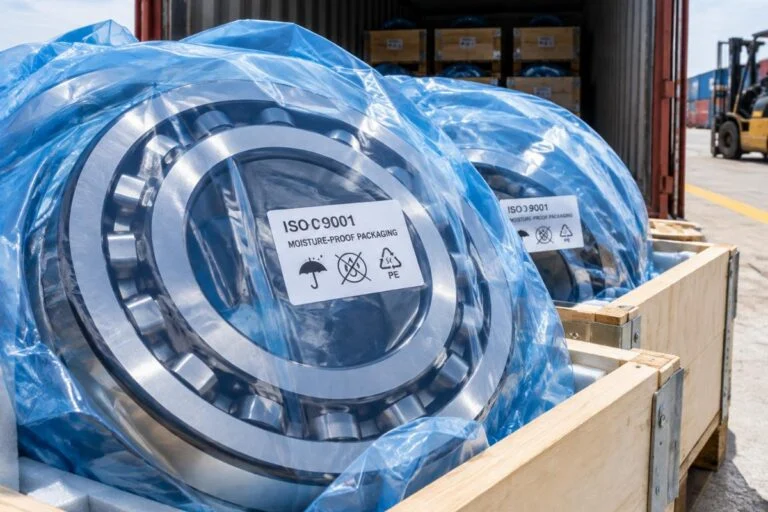
Heavy Industry Bearing Outlook 2026: Global Wholesale Supplier
Heavy Industry Bearing O…
Read the full article 02
Oct 3, 2026 · News & Cases · 6 min read
FAG Bearings Wholesale Supplier: Genuine Stock & Global Shipping
Schaeffler News 2026 hig…
Read the full article 03
Oct 3, 2026 · News & Cases · 7 min read
FAG Insulated Bearings for VFD Motors: Genuine Wholesale Supplier
Stop premature VFD motor…
Read the full articleFAG Roller Bearings and Accessories for Heavy Equipment
Selected FAG bearings for mills, crushers, conveyors and industrial drives. Housings and sleeves can be quoted with the bearing.
Scroll sideways to browse →
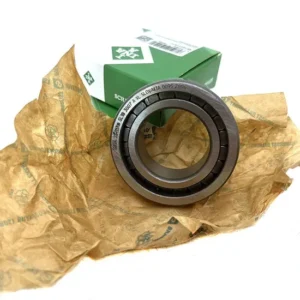
X&S INA Nup1007em Cylindrical Roller Bearing for Auto Motor Spare Part
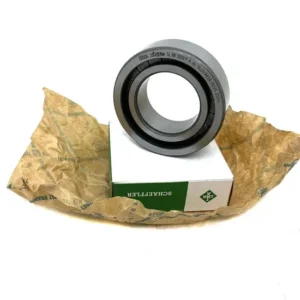
INA B7018C.T.P4S B7018E.T.P4S Angular Contact Ball Bearing for Turbojet
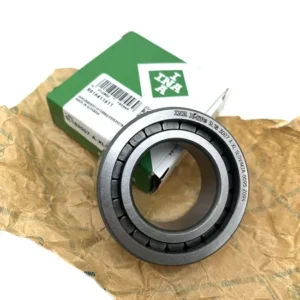
X&S NN3060/Y1 Double Row Cylindrical Roller Bearing for Heavy Load
X&S B7012E.T.P4S Angular Contact Ball Bearing for Metallurgical Rolling Mills
X&S NN3072K NN3008 Cylindrical Roller Bearing with Pin Cam Follower
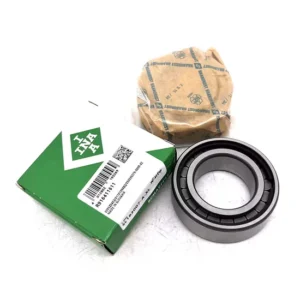
Genuine INA SL183007-A-XL NJ2208 NU2208 Cylindrical Roller Bearing for Auto Parts
INA H7012C-2RZ-P4 B706C T P4S Angular Contact Ball Bearing for Forklift Auto