Genuine FAG Bearings Wholesale Supplier | Bulk & Single Unit Orders
- Published
- Procurement & Trade FAQs
- By author

Genuine FAG Bearings Wholesale Supplier | Bulk & Single Unit Orders
Thicker wooden crates do not guarantee safer delivery. In fact, improper fumigation marks on heavy timber are a more frequent cause of customs rejection than minor transit vibrations.
Proper packaging for FAG bearings is critical to prevent transit rust and ensure traceability, requiring distinct protocols for single-piece LCL versus full-container shipments. Independent VCI wrapping prevents localized condensation, while compartmentalized crating balances weight for mixed-brand consolidation.
I still remember the humidity clinging to the air at Qingdao Port during a particularly wet season. A client from an African mining operation had placed an urgent order for a single FAG tapered roller bearing to replace a failed unit in a critical crusher. Time was scarce, so the item was rushed into a shared container with other general machinery parts. The assumption was that a single heavy steel component could withstand basic bulk bagging. It could not. When the shipment arrived, the bearing was seized with rust, rendered useless by micro-climate condensation that formed inside the non-breathable plastic wrap. The cargo was rejected immediately, resulting in a total loss and significant downtime for the mine. That incident reshaped my approach to logistics. It became clear that single-unit orders demand the same rigorous attention to atmospheric control as full container loads. Over time, I refined these protocols, turning field failures into standardized practices for global distribution. [NEED_CITE: impact of humidity on unprotected steel surfaces during maritime transit]
Understanding these nuances is essential for any buyer navigating the complexities of international bearing procurement. Whether you are stocking inventory for resale or securing emergency spares for heavy equipment, the integrity of the packaging directly influences the usability of the product upon arrival.
What are the standard packaging requirements for single-piece FAG bearings?
Independent VCI wrapping is mandatory to prevent localized condensation rust. Many buyers assume that because a bearing is made of hardened steel, it is immune to short-term exposure. This is a dangerous misconception. The primary enemy in maritime shipping is not physical impact, but the fluctuation of temperature and humidity within a container, which leads to condensation.
When a single FAG bearing is shipped, especially via Less than Container Load (LCL) consolidation, it is often surrounded by goods with different thermal properties. As temperatures drop at night, moisture condenses on the coldest surface, which is frequently the metal bearing. If the bearing is merely wrapped in standard polyethylene, this moisture gets trapped against the raceways and rolling elements, initiating corrosion almost immediately. [NEED_CITE: mechanism of crevice corrosion in sealed environments]
To counter this, Volatile Corrosion Inhibitor (VCI) paper must be used. This material releases vapor-phase inhibitors that form a microscopic protective layer on the metal surface. For a single unit, the process involves wrapping the bearing completely in VCI paper, ensuring no bare metal is exposed. This wrapped unit is then placed in a rigid box to prevent mechanical damage. The key is independence; the bearing must not share its immediate micro-environment with other items that might off-gas chemicals or absorb moisture unevenly.
A European maintenance team once reported receiving a batch of single units where the supplier had used standard grease-proof paper instead of VCI material. While the grease provided some protection, the lack of vapor-phase inhibition allowed rust to form on the exposed outer diameter during a three-week voyage. The bearings were technically functional but failed visual inspection standards for high-precision applications. This highlights that visible rust, even if superficial, can lead to rejection in strict quality control environments.
For buyers, verifying the use of VCI materials is a simple yet critical step. Requesting photos of the internal wrapping before shipment can provide assurance that the correct protocols are being followed. This level of detail separates a reliable supplier from one who merely boxes items for dispatch.
How should mixed-brand bearings be packed for LCL consolidation?
Compartmentalized crating with weight balancing prevents transit friction damage. LCL shipments often involve consolidating goods from multiple suppliers or different product lines into a single wooden crate or pallet. When mixing brands such as SKF, NSK, and FAG, the varying packaging dimensions and weights create instability if not managed correctly.
The core issue in mixed consolidation is movement. If lighter boxes are stacked beneath heavier ones, or if gaps exist between items, the constant vibration of sea freight causes abrasion. This friction can damage external packaging, leading to exposure, or worse, transmit shock to the bearing internals. [NEED_CITE: effects of maritime vibration on loosely packed cargo]
Effective consolidation requires a compartmentalized approach. Wooden crates should be constructed with internal dividers that secure each brand’s original packaging in place. Heavier items, such as large spherical roller bearings, must be positioned at the bottom to lower the center of gravity. Lighter items, like deep-groove ball bearings, should be placed on top or in designated upper compartments. The weight distribution ratio should be balanced to prevent the crate from tilting during crane operations.
Consider a case involving a distributor in Southeast Asia who ordered a mixed batch for a new manufacturing plant. The supplier consolidated various sizes into a single crate without internal bracing. During transit, the crate shifted, causing the heavier units to crush the boxes containing smaller precision bearings. Upon arrival, several high-precision angular contact bearings were damaged, rendering them unfit for spindle applications. The cost of replacement far exceeded the savings from consolidated shipping.
To avoid this, suppliers must use dunnage and blocking within the crate. Foam inserts or wooden blocks should fill any voids to ensure that no individual package can move more than a few millimeters. This method ensures that each brand’s packaging remains intact, preserving the integrity of the seals and labels.
Buyers should insist on seeing the packing plan for mixed orders. A detailed layout showing the placement of heavy versus light items demonstrates a supplier’s commitment to safe delivery. This transparency is a hallmark of professional handling in complex logistics scenarios.
Why is traceability documentation crucial in bearing packaging?
External labels must match internal certificates to clear customs smoothly. In the global bearing trade, authenticity is paramount. Counterfeit products pose a significant risk, and customs authorities in many regions have tightened regulations to intercept fake goods. Proper documentation serves as the proof of legitimacy for every unit shipped.
Traceability begins with the packaging itself. Each box should carry a label that includes the part number, batch number, and origin. Crucially, these external details must correspond exactly with the certificate of conformity or origin included inside the package. Discrepancies, even minor ones like a mismatched batch code, can trigger inspections that delay clearance for weeks. [NEED_CITE: customs verification procedures for industrial components]
For a genuine FAG bearings wholesale supplier, maintaining this chain of custody is non-negotiable. The documentation should trace the product back to the manufacturer’s production facilities, verifying that it meets the specified precision grades and material standards. This is particularly important for industries like mining and wind power, where failure analysis requires knowing the exact history of a component.
A Middle East steel mill once faced a prolonged customs hold because the external shipping manifest listed a generic description, while the internal certificates specified precise FAG part numbers. The discrepancy raised suspicions of misdeclaration, leading to a physical inspection that delayed the project timeline. Had the labels and documents been aligned from the start, the shipment would have cleared without issue.
Buyers should verify that their supplier provides complete traceability documentation for every order, regardless of size. This includes test reports for critical applications and proof of authentic sourcing. Such documentation not only facilitates customs clearance but also adds value to the end-user by providing assurance of quality and reliability.
What are the common packaging mistakes that lead to shipment rejection?
Skipping fumigation marks or using non-VCI materials causes port-side rejection. While technical specifications often dominate procurement discussions, packaging compliance is equally vital. Two frequent errors stand out: inadequate wood treatment and improper rust prevention.
International shipping regulations, specifically ISPM-15, require that all wooden packaging materials be heat-treated or fumigated to prevent the spread of pests. Crates lacking the official IPPC mark are often rejected at the port of entry, forcing the consignee to arrange for immediate re-packaging or destruction of the wood. This results in significant additional costs and delays. [NEED_CITE: ISPM-15 compliance requirements for international trade]
Another common mistake is the use of non-VCI materials for long-term storage or transit. Some suppliers opt for cheaper alternatives, such as standard oil paper or plain plastic, assuming they offer sufficient protection. However, these materials do not provide the active corrosion inhibition needed for maritime environments. As seen in earlier examples, this leads to rust formation that can compromise the bearing’s functionality.
Additionally, over-packing is a risk. Stuffing too many items into a single crate without adequate separation can cause compression damage. Bearings are precision components; excessive pressure can deform cages or damage seals. Proper spacing and cushioning are essential to maintain dimensional integrity.
A Latin American distributor recently experienced a shipment rejection because the wooden crates used for a large order lacked visible fumigation stamps. Although the wood had been treated, the absence of the mark meant it could not be verified by customs officials. The entire consignment was held until new compliant packaging was sourced, causing a month-long delay in supply.
To mitigate these risks, buyers should specify packaging requirements clearly in their purchase orders. Confirming ISPM-15 compliance and insisting on VCI protection ensures that the goods arrive in usable condition. These steps are small investments that prevent major logistical headaches.
Conclusion
Packaging determines the condition of your inventory upon arrival. It is not merely a container but a critical component of the supply chain that protects value and ensures compliance.
From independent VCI wrapping for single units to compartmentalized crating for mixed loads, each protocol addresses specific risks inherent in global transit. Traceability documentation further secures the process by validating authenticity and facilitating smooth customs clearance. By prioritizing these details, buyers can avoid costly rejections and ensure that every genuine FAG bearing performs as intended from the moment it leaves the warehouse.
Send Your FAG Bearing List for a Written Quote
FAG Bearing Supplier quotes spherical, cylindrical, tapered and thrust roller bearings together with housings and sleeves, for urgent replacements or planned shutdown orders. Any technical change is proposed separately and needs your approval.
- 1
Send your list by form, WhatsApp or email, position by position.
- 2
We confirm identification: exact version, complete assembly, and any clearly marked alternative.
- 3
Receive a written quote with designation, quantity, price and currency, stock status, estimated lead time and validity.
- Email: info@fagome.com
- Address:

Related FAG Bearing Maintenance Articles
More notes on version identification, mounting accessories and shutdown planning for heavy equipment.
 01
Oct 2, 2026 · Procurement & Trade FAQs · 7 min read
FAG Bearings Annual Supply Agreements Wholesale Supplier
Secure your supply chain…
Read the full article 02
Oct 2, 2026 · Procurement & Trade FAQs · 8 min read
FAG Large Bearings Inspection Reports: Genuine Wholesale Supplier for Bulk Orders
Verify Inspection Report…
Read the full article 03
Oct 2, 2026 · Procurement & Trade FAQs · 7 min read
Ship Large FAG Bearings Safely: Wholesale Supplier for Bulk Orders
Shipping Large FAG Beari…
Read the full articleFAG Roller Bearings and Accessories for Heavy Equipment
Selected FAG bearings for mills, crushers, conveyors and industrial drives. Housings and sleeves can be quoted with the bearing.
Scroll sideways to browse →
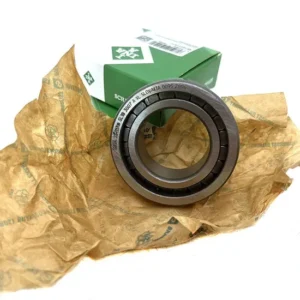
X&S INA Nup1007em Cylindrical Roller Bearing for Auto Motor Spare Part
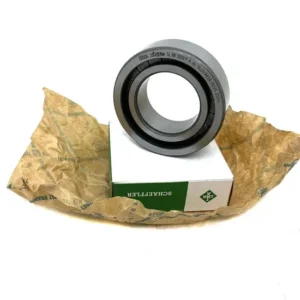
INA B7018C.T.P4S B7018E.T.P4S Angular Contact Ball Bearing for Turbojet

X&S NN3060/Y1 Double Row Cylindrical Roller Bearing for Heavy Load
X&S B7012E.T.P4S Angular Contact Ball Bearing for Metallurgical Rolling Mills
X&S NN3072K NN3008 Cylindrical Roller Bearing with Pin Cam Follower
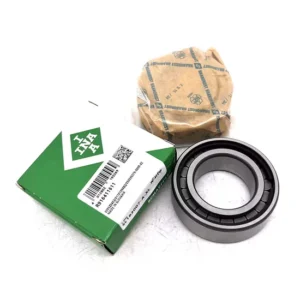
Genuine INA SL183007-A-XL NJ2208 NU2208 Cylindrical Roller Bearing for Auto Parts
INA H7012C-2RZ-P4 B706C T P4S Angular Contact Ball Bearing for Forklift Auto