Genuine FAG Bearings for Food & Beverage Industry – Wholesale Supplier
- Published
- Buying Guide
- By author

Genuine FAG Bearings for Food & Beverage Industry – Wholesale Supplier
Stainless steel housings do not prevent internal raceway rust if seals fail.
Selecting genuine FAG bearings for food and beverage applications requires matching specific washdown specifications to operational thermal shocks and verifying authenticity through traceable documentation to prevent corrosion-induced downtime.
The smell of sour milk mixed with burnt grease is distinct. I remember standing on the catwalk of a dairy processing plant in Riyadh, watching a high-speed filling line grind to a halt. The issue was not the motor or the conveyor belt logic. It was the bearing units supporting the stainless-steel rollers. They had been specified as “food grade” based solely on the external housing material. Inside, the standard carbon steel races had corroded after repeated exposure to hot caustic Clean-in-Place (CIP) cycles. The seals had failed, allowing contaminated wash water to ingress, leading to rapid oxidation and seizure. This failure mode is common when buyers focus on surface appearance rather than internal sealing integrity and clearance classes [NEED_CITE: common failure modes in wet food processing environments].
In the food and beverage sector, moisture is not just an environmental factor; it is a constant operational requirement. Hygiene protocols demand frequent, high-pressure washdowns with aggressive chemicals. Standard industrial bearings cannot survive this regime. To mitigate risk, procurement teams must look beyond the brand name and understand the technical interplay between seal design, lubricant stability, and thermal expansion. This guide details how to select the correct FAG bearings for food and beverage systems, ensuring that your machinery remains compliant and operational.
What FAG Series Survive Daily CIP Washdowns?
Not all coated bearings offer equal protection against high-pressure steam and caustic agents.
When evaluating options for wet environments, it is crucial to distinguish between surface coatings and inherent material resistance. Many suppliers offer zinc-plated or nickel-plated outer rings, which provide a barrier against ambient humidity but often fail under the mechanical stress of high-pressure washdown jets. For critical applications such as dairy pasteurization or beverage bottling, the selection must prioritize sealed units designed specifically for these conditions.
The following matrix compares common configurations found in the market. Note that performance ratings are qualitative, reflecting real-world durability rather than laboratory-only metrics.
| Feature | Standard Open Bearing | Zinc-Plated Bearing | Sealed Solid Oil Variant |
|---|---|---|---|
| Corrosion Resistance | None | Basic | Robust |
| Washdown Tolerance | Vulnerable | Resistant | Robust |
| Lubricant Retention | Uncontrolled | Standard | Controlled |
| Maintenance Frequency | High | Moderate | Noticeably reduced |
| Suitability for CIP | Not Recommended | Limited | Certified |
Solid oil-filled bearings represent a significant advancement for hygiene-critical zones. Instead of traditional grease, which can wash out or degrade, these units use a polymer matrix impregnated with oil. This eliminates the risk of grease leakage contaminating the product and ensures consistent lubrication even after repeated thermal shocks [NEED_CITE: benefits of solid oil lubrication in hygienic applications]. When sourcing FAG bearings for food and beverage lines, prioritizing these sealed variants can extend service life meaningfully compared to standard greased units.
A European bottling facility recently switched from standard greased bearings to sealed solid oil variants for their labeling machine rollers. Previously, they faced monthly replacements due to grease washout and subsequent rust. After the switch, the replacement cycle extended substantially, reducing both maintenance labor and unplanned downtime. The key was not just the brand, but the specific technology within the bearing unit.
How to Spot Fake FAG Bearings Before Installation?
Packaging quality is the first indicator, but physical verification is the only proof.
The market for industrial components is flooded with counterfeits that mimic the branding of premium manufacturers. These fake units often use inferior steel with higher inclusion densities, leading to premature fatigue failure. For a procurement manager, the cost of a fake bearing is not just the purchase price; it is the catastrophic downtime it causes. Verifying authenticity requires a multi-step approach that goes beyond checking the logo on the box.
First, examine the packaging. Genuine products come in high-quality, clearly printed boxes with specific batch codes and holographic security labels. However, sophisticated counterfeiters now replicate packaging with high fidelity. Therefore, physical inspection is mandatory. Check the laser-etched marking on the bearing ring. It should be crisp, deep, and evenly spaced. Blurry or shallow etching is a red flag.
Second, verify the traceability documentation. Every genuine batch comes with a certificate of conformity that links the part number to the production lot. This document should include the manufacturing date and facility code. Cross-referencing this code with the manufacturer’s database confirms legitimacy [NEED_CITE: importance of traceability documents in anti-counterfeit strategies]. Without this paper trail, the component is essentially unverified risk.
A distributor in Southeast Asia once received a shipment of what appeared to be premium bearings at a discounted rate. The packaging looked correct, but the internal clearance felt inconsistent during manual rotation. Upon testing, the steel hardness was below the required threshold, leading to rapid deformation under load. This incident highlights why relying on price alone is dangerous. When buying FAG bearings for food and beverage equipment, always insist on full traceability. Our supply chain ensures that every unit shipped comes with verifiable documentation, protecting your operation from the hidden costs of counterfeit parts.
Which Clearance and Seal Types Prevent Washdown Failures?
Standard clearance is insufficient for bearings subjected to hot CIP thermal shocks.
Thermal expansion is a silent killer in food processing machinery. During a CIP cycle, temperatures can rise rapidly from ambient to over 80 degrees Celsius. If the bearing internal clearance is too tight, this thermal expansion causes the rolling elements to bind, generating excessive heat and leading to seizure. Conversely, if the clearance is too loose, vibration increases, accelerating wear.
For these applications, selecting the correct clearance class is critical. Standard C0 clearance is often inadequate. Instead, C3 or C4 clearance classes are recommended to accommodate the thermal growth of the inner ring relative to the outer ring [NEED_CITE: ISO standards for bearing clearance selection in thermal environments]. This extra space allows the bearing to expand without creating destructive internal preload.
Seal type is equally important. Rubber seals (RS or 2RS) provide excellent contamination exclusion but must be compatible with the cleaning chemicals used. Nitrile rubber is common, but for aggressive alkaline cleaners, fluoroelastomer seals may be necessary. Metal shields (ZZ) offer less protection against liquid ingress and are generally not suitable for direct washdown zones.
| Operational Condition | Recommended Clearance | Recommended Seal Type |
|---|---|---|
| Ambient Temperature, Dry | C0 | ZZ or RS |
| Moderate Heat, Occasional Wash | C3 | RS |
| High Heat, Daily CIP | C3 or C4 | 2RS (Chemical Resistant) |
| Extreme Thermal Shock | C4 | Special Compound RS |
A bakery in a humid coastal region struggled with frequent bearing failures on their dough mixers. The ambient humidity combined with the heat generated during mixing created a perfect storm for corrosion and thermal binding. Switching to bearings with C3 clearance and chemically resistant double seals resolved the issue. The bearings no longer seized during temperature spikes, and the improved sealing kept moisture out. When specifying FAG bearings for food and beverage machinery, always match the clearance and seal material to the specific thermal and chemical profile of the washdown process.
Where to Source Genuine Mixed-Batch FAG Bearings?
Consolidated sourcing reduces logistical complexity without compromising authenticity.
For MRO buyers and distributors, managing inventory for multiple brands and sizes is a logistical challenge. Ordering directly from individual brand channels often involves high minimum order quantities and long lead times. This fragmentation can delay critical maintenance projects. A more efficient approach is to source from a specialized global supplier who can consolidate mixed batches of genuine products.
Such suppliers maintain large spot inventories of standard and special part numbers across multiple premium brands. This allows buyers to procure small batches for emergency repairs or large container loads for project stock from a single point of contact. The key advantage is the ability to verify authenticity across the entire mix. A reputable supplier provides complete traceability documentation for every brand in the shipment, ensuring that all components meet the required quality standards [NEED_CITE: best practices for mixed-brand bearing procurement].
This model is particularly beneficial for regions with complex import regulations. Having a single supplier handle customs documentation and quality assurance simplifies the process. It also allows for technical consultation across brands. If a specific FAG bearings for food and beverage model is unavailable, an expert supplier can recommend a verified equivalent from another premium brand in their portfolio, ensuring the technical specifications remain met.
By leveraging a supplier with a broad portfolio, you gain flexibility. You can order a few urgent units for a breakdown alongside a larger stock order for planned maintenance. This agility minimizes downtime and optimizes inventory costs. The focus remains on securing genuine, high-quality components that keep your food processing lines running smoothly.
Conclusion
Authenticity and technical fit are non-negotiable in hygienic processing environments.
Selecting the right bearings for food and beverage applications demands a rigorous approach to specification and verification. Prioritize sealed variants with appropriate clearance classes to withstand thermal shocks and chemical exposure. Always validate authenticity through traceable documentation to avoid the severe costs of counterfeit failures. Partnering with a supplier capable of providing genuine, mixed-batch solutions ensures both operational reliability and procurement efficiency.
Send Your FAG Bearing List for a Written Quote
FAG Bearing Supplier quotes spherical, cylindrical, tapered and thrust roller bearings together with housings and sleeves, for urgent replacements or planned shutdown orders. Any technical change is proposed separately and needs your approval.
- 1
Send your list by form, WhatsApp or email, position by position.
- 2
We confirm identification: exact version, complete assembly, and any clearly marked alternative.
- 3
Receive a written quote with designation, quantity, price and currency, stock status, estimated lead time and validity.
- Email: info@fagome.com
- Address:

Related FAG Bearing Maintenance Articles
More notes on version identification, mounting accessories and shutdown planning for heavy equipment.
 01
Oct 2, 2026 · Buying Guide · 6 min read
FAG Industrial Bearings Wholesale Supplier | Genuine Stock & Bulk Quotes
Request a quote for genu…
Read the full article 02
Oct 2, 2026 · Buying Guide · 7 min read
Discontinued FAG Numbers: Find Replacements from Global Wholesale Supplier
Secure Discontinued FAG …
Read the full article 03
Oct 2, 2026 · Buying Guide · 6 min read
Authentic FAG Bearings Supplier: Avoid Counterfeits with Neutral Checks
Avoiding Counterfeit FAG…
Read the full articleFAG Roller Bearings and Accessories for Heavy Equipment
Selected FAG bearings for mills, crushers, conveyors and industrial drives. Housings and sleeves can be quoted with the bearing.
Scroll sideways to browse →
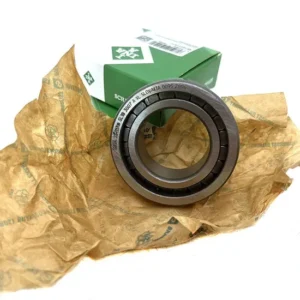
X&S INA Nup1007em Cylindrical Roller Bearing for Auto Motor Spare Part
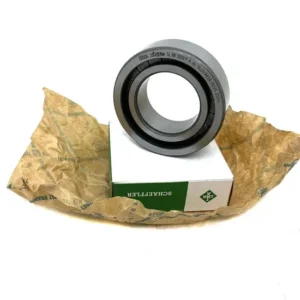
INA B7018C.T.P4S B7018E.T.P4S Angular Contact Ball Bearing for Turbojet
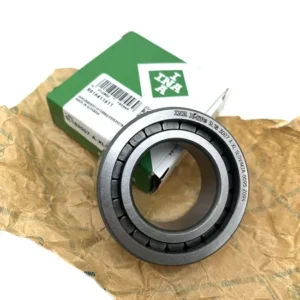
X&S NN3060/Y1 Double Row Cylindrical Roller Bearing for Heavy Load
X&S B7012E.T.P4S Angular Contact Ball Bearing for Metallurgical Rolling Mills
X&S NN3072K NN3008 Cylindrical Roller Bearing with Pin Cam Follower
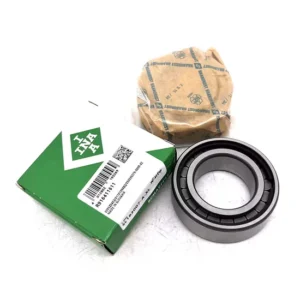
Genuine INA SL183007-A-XL NJ2208 NU2208 Cylindrical Roller Bearing for Auto Parts
INA H7012C-2RZ-P4 B706C T P4S Angular Contact Ball Bearing for Forklift Auto