FAG B-TVP & MP Angular Contact Bearings Wholesale Supplier
- Published
- Buying Guide
- By author

FAG B-TVP & MP Angular Contact Bearings Wholesale Supplier
Brass is not always stronger, and plastic is not always weaker. Choosing the wrong cage material for your angular contact bearings can lead to catastrophic spindle failure or premature agricultural machinery breakdowns, regardless of the bearing brand’s reputation.
The core decision between FAG B-TVP (polyamide) and MP (brass) cages hinges on operating temperature and load dynamics rather than price alone. TVP cages excel in high-speed, moderate-temperature applications due to lower mass and superior running characteristics, while MP brass cages are mandatory for heavy shock loads, high-temperature environments, and applications where chemical resistance is critical. Mismatching these materials results in cage fragmentation or thermal degradation.
I still remember the heat of a Qingdao summer when a local agricultural machinery factory faced a complete production halt. They had sourced a batch of angular contact bearings to save on procurement costs, opting for the lighter, less expensive option without verifying the cage material specifications. The bearings featured polyamide cages, which seemed sufficient for standard operation. However, during the intense harvest season, the combine harvesters ran continuously under heavy radial loads and elevated temperatures. The polyamide cages, unable to withstand the thermal stress and mechanical shock beyond their design limits, began to deform and eventually shattered. The resulting downtime cost the factory far more than the initial savings on the bearings. That incident shifted my focus from simple price comparison to rigorous technical selection. I learned that understanding the specific material properties of cage designs is non-negotiable for reliable industrial performance.
This experience highlights why distributors and OEMs must look beyond the basic bearing number. The cage material dictates the operational envelope of the component. As a FAG B-TVP & MP Angular Contact Bearings Wholesale Supplier, we frequently assist clients in navigating these technical nuances to prevent costly mismatches in their supply chains.
What are the fundamental material differences between B-TVP and MP cages?
Material composition defines the mechanical behavior of the bearing cage under stress. The choice between TVP and MP is not merely aesthetic; it represents a fundamental trade-off between weight, strength, and thermal stability.
TVP stands for a specific type of polyamide (nylon) reinforced with glass fiber. This material is engineered for low weight and high elasticity. The reduced mass of the TVP cage lowers centrifugal forces at high rotational speeds, allowing for smoother operation and less heat generation within the bearing assembly. In contrast, MP denotes a machined brass cage. Brass offers superior structural rigidity and higher tensile strength compared to polyamide. It is heavier, which increases centrifugal load at extreme speeds, but it provides robust protection against deformation under heavy static or dynamic loads.
| Feature | B-TVP (Polyamide) | MP (Brass) |
|---|---|---|
| Material Type | Glass-fiber reinforced polyamide | Machined brass |
| Weight | Light | Heavy |
| Primary Advantage | Low centrifugal force, high speed capability | High strength, shock load resistance |
| Thermal Conductivity | Low | High |
| Chemical Resistance | Vulnerable to certain agents | Robust |
[NEED_CITE: mechanical properties of polyamide vs brass in bearing applications]
The difference in thermal conductivity is particularly critical. Brass dissipates heat more effectively than polyamide, which acts as an insulator. In applications where heat buildup is a concern, the MP cage can help maintain lower internal bearing temperatures by conducting heat away from the rolling elements. Conversely, the TVP cage relies on its low friction and light weight to minimize heat generation in the first place.
Understanding these intrinsic properties allows engineers to match the bearing to the application. For high-speed machine tool spindles, the lightweight nature of TVP is advantageous. For heavy-duty mining equipment subject to vibration and impact, the durability of MP is essential. As a FAG B-TVP & MP Angular Contact Bearings Wholesale Supplier, we ensure that our inventory reflects these distinct material characteristics, providing traceability documentation that confirms the cage type for every unit shipped.
How do temperature and speed limits dictate your cage choice?
Temperature and speed are the primary constraints that determine cage viability. Exceeding the thermal or kinetic limits of a cage material leads to rapid failure, often before the rolling elements or races show significant wear.
Polyamide cages have a defined upper temperature limit. When exposed to continuous high temperatures, the material can lose its structural integrity, becoming brittle or deforming. This thermal degradation is irreversible. In high-speed applications, the low mass of the TVP cage reduces the centrifugal force acting on the cage pockets, allowing for higher permissible speeds compared to heavier brass cages. However, this advantage is nullified if the operating temperature exceeds the material’s threshold.
Brass cages, while heavier, can withstand significantly higher temperatures without losing mechanical strength. They are suitable for environments where ambient heat or frictional heating pushes internal bearing temperatures beyond the safe range for polyamide. The trade-off is a lower maximum speed rating due to increased centrifugal forces. At very high RPMs, the heavy brass cage can exert excessive force on the rolling elements, potentially leading to premature wear or cage fracture if not properly lubricated and designed.
[NEED_CITE: ISO standards for bearing operating temperature limits]
A European wind farm operator once reported unexpected failures in their gearbox auxiliary systems. The initial analysis pointed to bearing fatigue, but deeper inspection revealed that the polyamide cages had degraded due to prolonged exposure to elevated temperatures generated by inefficient cooling systems. Switching to brass cages resolved the issue, as the MP material could tolerate the higher thermal load without compromising structural integrity. This case underscores the importance of evaluating the entire thermal profile of the application, not just the nominal speed.
When selecting bearings, it is crucial to consider the worst-case scenario for temperature and speed. If an application involves variable speeds or potential overheating events, the robustness of an MP cage may offer a safer margin. For consistent, high-speed, and controlled-temperature environments, TVP remains the optimal choice for efficiency and performance. As a FAG B-TVP & MP Angular Contact Bearings Wholesale Supplier, we provide technical datasheets that outline these specific limits, helping clients make informed decisions based on their operational realities.
Which cage performs better under heavy radial and axial loads?
Load capacity and shock resistance favor brass cages in demanding industrial environments. The mechanical strength of the cage material directly impacts the bearing’s ability to handle combined radial and axial loads, especially when shock loads are present.
Polyamide cages, while strong for their weight, have limited resistance to high impact forces. Under severe shock loading, such as those experienced in crushing equipment or heavy agricultural machinery, the polyamide can crack or shatter. This failure mode is sudden and catastrophic, leading to immediate bearing seizure. Brass cages, with their higher yield strength and ductility, can absorb and distribute shock loads more effectively. They deform slightly under extreme stress rather than fracturing, maintaining the separation of rolling elements and preventing catastrophic failure.
In applications with high axial loads, the cage must guide the rolling elements precisely without deflecting. The rigidity of brass ensures minimal deflection under load, maintaining optimal contact angles and load distribution. Polyamide, being more elastic, may allow for slight misalignment under heavy axial loads, which can increase stress concentrations on the rolling elements and reduce bearing life.
[NEED_CITE: load capacity reduction factors for different cage materials]
Consider a mining operation in South America where crushers are subjected to constant vibration and impact from large rocks. Initial attempts to use standard polyamide-caged bearings resulted in frequent failures due to cage fragmentation. After switching to bearings with machined brass cages, the mean time between failures increased substantially. The brass cages absorbed the shock loads that previously shattered the polyamide, ensuring continuous operation during critical production cycles.
For OEMs designing heavy machinery, specifying MP cages for high-load positions is a prudent engineering decision. While TVP cages may offer cost savings and performance benefits in lighter duties, they are not suitable for the harsh conditions of heavy industry. As a FAG B-TVP & MP Angular Contact Bearings Wholesale Supplier, we stock extensive ranges of both types, enabling us to support diverse application requirements from precision instruments to heavy earthmoving equipment.
How to verify genuine FAG cage materials during procurement?
Verification of cage material is essential to prevent counterfeit or mislabeled products from entering the supply chain. Counterfeit bearings often use inferior materials that mimic the appearance of genuine components but lack the necessary mechanical properties.
Visual inspection is the first step. Genuine FAG TVP cages have a distinct dark gray color due to the glass fiber reinforcement and a smooth, matte finish. MP brass cages exhibit a characteristic golden-yellow hue and a machined surface texture. Counterfeit polyamide cages may appear lighter in color or have a glossy finish, indicating different material compositions or lack of reinforcement. Brass counterfeits may use softer alloys that discolor quickly or show machining marks inconsistent with high-precision manufacturing.
Weight comparison can also be indicative. A genuine TVP cage will be significantly lighter than an MP cage of the same size. If a bearing labeled as TVP feels unusually heavy, or an MP bearing feels suspiciously light, further investigation is warranted. However, visual and tactile checks are not definitive.
Documentation is the most reliable verification method. Genuine FAG bearings come with traceability documentation, including batch numbers and material certificates. These documents confirm the specific cage type and material composition. Reputable suppliers provide these documents upon request, ensuring that the product matches the specification.
[NEED_CITE: FAG official guidelines for identifying genuine bearing components]
A distributor in Southeast Asia recently encountered a batch of bearings that appeared genuine but failed prematurely. Upon requesting material certificates, the supplier could not provide valid documentation for the cage material. Laboratory analysis later confirmed that the “polyamide” cages were made from unreinforced plastic, which lacked the necessary strength. This incident highlights the risk of sourcing from unauthorized channels.
To mitigate these risks, buyers should partner with suppliers who prioritize transparency and traceability. Requesting batch certificates and verifying them with the manufacturer is a critical step in quality assurance. As a FAG B-TVP & MP Angular Contact Bearings Wholesale Supplier, we maintain complete traceability for all our products, providing clients with the documentation needed to verify authenticity and ensure compliance with their technical requirements.
Conclusion
Selecting the correct cage material is a technical imperative, not a cost-saving opportunity. Mismatching TVP and MP cages leads to preventable failures, downtime, and financial loss.
TVP polyamide cages offer superior performance in high-speed, moderate-temperature applications due to their low mass and reduced friction. MP brass cages provide essential strength and thermal stability for heavy-load, high-temperature, and shock-prone environments. Understanding these distinctions allows engineers and procurement specialists to optimize bearing performance and longevity.
Reliable sourcing partners play a crucial role in this process by providing genuine products with verifiable documentation. By prioritizing technical accuracy over initial price differences, industries can ensure the reliability and efficiency of their mechanical systems. As a FAG B-TVP & MP Angular Contact Bearings Wholesale Supplier, we remain committed to supporting these technical needs with authentic inventory and expert guidance.
Send Your FAG Bearing List for a Written Quote
FAG Bearing Supplier quotes spherical, cylindrical, tapered and thrust roller bearings together with housings and sleeves, for urgent replacements or planned shutdown orders. Any technical change is proposed separately and needs your approval.
- 1
Send your list by form, WhatsApp or email, position by position.
- 2
We confirm identification: exact version, complete assembly, and any clearly marked alternative.
- 3
Receive a written quote with designation, quantity, price and currency, stock status, estimated lead time and validity.
- Email: info@fagome.com
- Address:

Related FAG Bearing Maintenance Articles
More notes on version identification, mounting accessories and shutdown planning for heavy equipment.
 01
Oct 2, 2026 · Buying Guide · 6 min read
FAG Industrial Bearings Wholesale Supplier | Genuine Stock & Bulk Quotes
Request a quote for genu…
Read the full article 02
Oct 2, 2026 · Buying Guide · 7 min read
Discontinued FAG Numbers: Find Replacements from Global Wholesale Supplier
Secure Discontinued FAG …
Read the full article 03
Oct 2, 2026 · Buying Guide · 6 min read
Authentic FAG Bearings Supplier: Avoid Counterfeits with Neutral Checks
Avoiding Counterfeit FAG…
Read the full articleFAG Roller Bearings and Accessories for Heavy Equipment
Selected FAG bearings for mills, crushers, conveyors and industrial drives. Housings and sleeves can be quoted with the bearing.
Scroll sideways to browse →
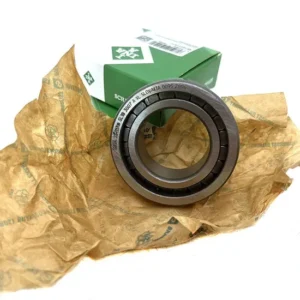
X&S INA Nup1007em Cylindrical Roller Bearing for Auto Motor Spare Part
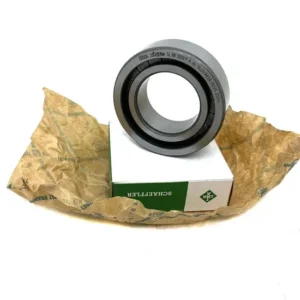
INA B7018C.T.P4S B7018E.T.P4S Angular Contact Ball Bearing for Turbojet

X&S NN3060/Y1 Double Row Cylindrical Roller Bearing for Heavy Load
X&S B7012E.T.P4S Angular Contact Ball Bearing for Metallurgical Rolling Mills
X&S NN3072K NN3008 Cylindrical Roller Bearing with Pin Cam Follower
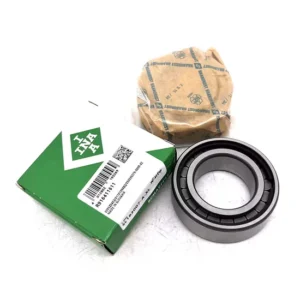
Genuine INA SL183007-A-XL NJ2208 NU2208 Cylindrical Roller Bearing for Auto Parts
INA H7012C-2RZ-P4 B706C T P4S Angular Contact Ball Bearing for Forklift Auto