FAG 2RSR vs 2ZR vs HRS Seals: Wholesale Supplier
- Published
- Buying Guide
- By author

FAG 2RSR vs 2ZR vs HRS Seals: Wholesale Supplier
Metal shields do not seal out fine dust.
The core distinction between FAG 2RSR, 2ZR, and HRS seals lies in their physical contact with the rolling elements and their intended operating environment. 2ZR metal shields offer basic protection against large particles but fail in fine-dust or wet conditions due to their non-contact design. 2RSR contact rubber seals provide superior ingress protection for harsh environments but generate higher friction, limiting maximum speed. HRS seals utilize a specialized low-friction labyrinth design to balance high-speed capability with effective sealing, making them ideal for applications where heat buildup from standard contact seals is a concern. Selecting the wrong suffix leads directly to premature bearing failure.
Having spent years troubleshooting equipment failures in West African mining sites, I learned that a bearing’s suffix is not just a label—it is a survival instruction. A common mistake involves specifying 2ZR sealed bearings for crushers or conveyors exposed to mineral dust. The gap between the shield and the inner ring allows micro-particles to enter, mixing with grease to form an abrasive paste. This destroys the raceway long before the rated life is reached. In contrast, switching to 2RSR seals in these same conditions extended service life significantly, despite the slight increase in operating temperature. Understanding these mechanical differences is essential for any reliable FAG bearing seal options 2RSR vs 2ZR vs HRS selection process.
What is the real difference between 2ZR, 2RSR, and HRS seals?
The suffixes denote specific sealing architectures defined by international standards. 2ZR indicates two metal shields made of sheet steel, pressed into the outer ring groove. They do not touch the inner ring, creating a small clearance. This design minimizes friction and allows for very high limiting speeds, but it offers no protection against water or fine dust ingress [NEED_CITE: ISO bearing designation standards for shielded bearings].
2RSR signifies two contact seals made of synthetic rubber with a steel reinforcement plate. The sealing lip presses directly against a specially machined surface on the inner ring. This contact creates a tight barrier against contaminants and prevents grease washout. However, the friction generated by this contact limits the maximum permissible speed and can cause a noticeable rise in operating temperature compared to shielded versions [NEED_CITE: Manufacturer technical guidelines on friction torque of contact seals].
HRS represents a specialized high-speed radial seal. It features a unique labyrinth structure and low-friction sealing lips designed to reduce heat generation while maintaining better protection than simple metal shields. HRS seals are engineered for applications where standard 2RSR seals would overheat due to high rotational speeds, yet where 2ZR shields would allow too much contamination.
| Feature | 2ZR (Metal Shield) | 2RSR (Contact Rubber) | HRS (High-Speed Seal) |
|---|---|---|---|
| Sealing Principle | Non-contact gap | Contact lip pressure | Low-friction labyrinth |
| Dust Protection | Basic (large particles only) | High (fine dust blocked) | Moderate to High |
| Water Resistance | None | High | Moderate |
| Friction Torque | Very Low | Higher | Low |
| Limiting Speed | Very High | Reduced | High |
| Best For | Clean, high-speed environments | Dirty, wet, moderate speed | High-speed, moderate contamination |
When evaluating FAG 2RSR vs 2ZR difference, the trade-off is always between protection and speed. For most industrial MRO applications involving exposure to the elements, the protection offered by 2RSR outweighs the speed benefits of 2ZR. The HRS option serves as a critical middle ground for specific high-performance requirements.
When should you avoid 2ZR metal shields in heavy industry?
In heavy industries such as mining, cement production, and aggregate processing, the ambient air is saturated with fine particulate matter. Metal shields (2ZR) are often misunderstood as “sealed” units. In reality, they are merely “shielded.” The clearance between the shield and the inner ring is sufficient for fine dust to migrate inward, especially when the bearing heats up and cools down, creating pressure differentials that draw air—and contaminants—into the housing.
A case from a cement plant in Ghana illustrates this failure mode clearly. The maintenance team had standardized on 2ZR bearings for conveyor idlers to maximize speed and minimize initial friction. Within months, multiple bearings seized. Upon dissection, the grease was black and gritty, indicating severe contamination. The metal shields had failed to stop the fine cement dust. Replacing these with 2RSR sealed bearings resolved the issue, as the contact lip physically blocked the ingress path. This experience underscores why relying on 2ZR in dusty environments is a critical error.
The misconception that metal shields provide adequate sealing stems from their appearance. They look solid, but functionally, they are open to the atmosphere via the tiny gap. In wet environments, this gap also allows water spray to enter, leading to grease washout and rapid corrosion. For any application where the bearing is exposed to dust, mud, or water spray, 2ZR should be avoided entirely in favor of contact seals like 2RSR or specialized options like HRS if speed is a factor.
How do HRS seals solve the high-speed overheating issue?
Standard contact seals (2RSR) generate heat due to the constant friction between the rubber lip and the inner ring. In high-speed applications, such as electric motors or high-RPM fans, this friction can cause the bearing temperature to rise excessively, degrading the grease and shortening bearing life. This is where the FAG HRS seal high speed design becomes essential.
HRS seals incorporate a non-contact or low-contact labyrinth design that reduces friction torque significantly compared to standard 2RSR seals. The sealing lip is shaped to create a tortuous path for contaminants without pressing hard against the rotating surface. This design allows the bearing to operate at higher speeds without the thermal penalty associated with full contact seals.
For a deep groove ball bearing seal selection guide, the decision matrix often hinges on this speed-temperature relationship. If the application involves continuous high-speed rotation in a moderately clean environment, 2ZR might be tempting due to its low friction. However, if there is any risk of splash or airborne contaminants, 2ZR is insufficient. HRS provides the necessary protection while keeping friction low enough to prevent overheating. This makes HRS ideal for applications like high-speed spindles or ventilators where both cleanliness and thermal management are critical.
The engineering behind HRS seals focuses on optimizing the lip geometry to minimize drag. This results in a sealing solution that bridges the gap between the robust protection of 2RSR and the high-speed capability of 2ZR. When reviewing FAG bearing seal options 2RSR vs 2ZR vs HRS, the HRS option should be prioritized for high-speed scenarios where some environmental protection is still required.
How to verify seal authenticity and quality upon delivery?
Counterfeit bearings often fail at the sealing stage. Genuine FAG seals exhibit precise molding, consistent rubber hardness, and uniform lip tension. Counterfeit units may have irregular flash, uneven lip thickness, or inferior rubber compounds that harden or crack prematurely. Verifying these details upon receipt is crucial for maintaining equipment reliability.
Check the rubber material for consistency. Genuine seals use high-quality nitrile rubber or other specialized elastomers that remain flexible across a wide temperature range. Press the sealing lip gently; it should return to its original shape immediately, indicating proper elasticity. Inspect the metal reinforcement plate within the seal; it should be securely bonded to the rubber without gaps or misalignment.
Another key indicator is the grease fill. Genuine FAG bearings are packed with the correct type and amount of grease, distributed evenly. Counterfeit bearings may have insufficient grease or use low-quality lubricants that separate or degrade quickly. Comparing the weight and feel of the bearing can also provide clues, though this requires experience.
For distributors and MRO managers, ensuring the supply chain integrity is vital. Sourcing from a verified FAG bearing seal options 2RSR vs 2ZR vs HRS supplier with complete traceability documentation mitigates the risk of receiving counterfeit goods. Requesting batch certificates and inspecting packaging for security features can further validate authenticity.
Conclusion
Select the seal based on the environment, not just the speed.
Choosing between 2ZR, 2RSR, and HRS seals requires a clear understanding of the operating conditions. 2ZR is suitable only for clean, high-speed applications. 2RSR provides robust protection for dirty or wet environments but limits speed. HRS offers a balanced solution for high-speed applications requiring moderate protection. Misselection leads to premature failure, increased downtime, and higher maintenance costs. Always verify the specific suffix against the actual site conditions to ensure optimal bearing performance and longevity.
Send Your FAG Bearing List for a Written Quote
FAG Bearing Supplier quotes spherical, cylindrical, tapered and thrust roller bearings together with housings and sleeves, for urgent replacements or planned shutdown orders. Any technical change is proposed separately and needs your approval.
- 1
Send your list by form, WhatsApp or email, position by position.
- 2
We confirm identification: exact version, complete assembly, and any clearly marked alternative.
- 3
Receive a written quote with designation, quantity, price and currency, stock status, estimated lead time and validity.
- Email: info@fagome.com
- Address:

Related FAG Bearing Maintenance Articles
More notes on version identification, mounting accessories and shutdown planning for heavy equipment.
 01
Oct 2, 2026 · Buying Guide · 6 min read
FAG Industrial Bearings Wholesale Supplier | Genuine Stock & Bulk Quotes
Request a quote for genu…
Read the full article 02
Oct 2, 2026 · Buying Guide · 7 min read
Discontinued FAG Numbers: Find Replacements from Global Wholesale Supplier
Secure Discontinued FAG …
Read the full article 03
Oct 2, 2026 · Buying Guide · 6 min read
Authentic FAG Bearings Supplier: Avoid Counterfeits with Neutral Checks
Avoiding Counterfeit FAG…
Read the full articleFAG Roller Bearings and Accessories for Heavy Equipment
Selected FAG bearings for mills, crushers, conveyors and industrial drives. Housings and sleeves can be quoted with the bearing.
Scroll sideways to browse →
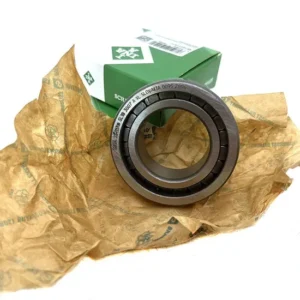
X&S INA Nup1007em Cylindrical Roller Bearing for Auto Motor Spare Part
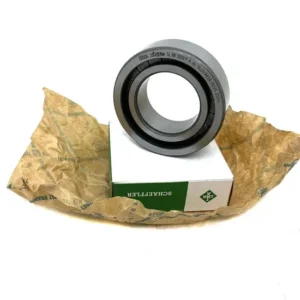
INA B7018C.T.P4S B7018E.T.P4S Angular Contact Ball Bearing for Turbojet
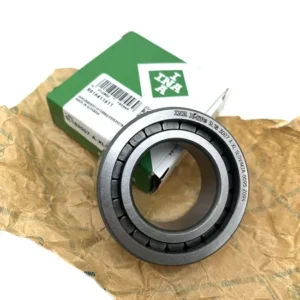
X&S NN3060/Y1 Double Row Cylindrical Roller Bearing for Heavy Load
X&S B7012E.T.P4S Angular Contact Ball Bearing for Metallurgical Rolling Mills
X&S NN3072K NN3008 Cylindrical Roller Bearing with Pin Cam Follower
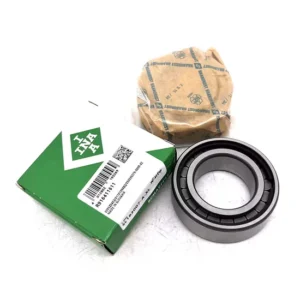
Genuine INA SL183007-A-XL NJ2208 NU2208 Cylindrical Roller Bearing for Auto Parts
INA H7012C-2RZ-P4 B706C T P4S Angular Contact Ball Bearing for Forklift Auto