FAG 24130-E1-K30 Spherical Roller Bearing Wholesale Supplier
- Published
- Product & Series Guides
- By author

FAG 24130-E1-K30 Spherical Roller Bearing Wholesale Supplier
Bigger clearance is not always better for high-temperature applications.
The core specification for the FAG 24130-E1-K30 includes a 150 mm bore, 250 mm outer diameter, and 100 mm width, featuring a K30 tapered bore with a 1:12 taper ratio. For heavy industries like cement and mining, pairing this dimension set with C4 internal clearance is critical to prevent thermal expansion from causing premature seizure, rather than relying on standard C0 or C3 clearances.
I learned this lesson the hard way in Riyadh. Years ago, I was handling equipment procurement for a major cement plant. The kiln fan bearings kept failing within months. We were ordering replacements based solely on the basic part number, ignoring the suffixes. The original units were FAG 24130-E1-K30 with specific clearance classes, but we received standard clearance bearings. Under the intense heat of the kiln, the inner ring expanded, the clearance vanished, and the bearing locked up. That shutdown cost far more than the price difference between a standard and a precision-matched unit. Since then, I have made it my practice to verify every suffix before shipment. [NEED_CITE: impact of thermal expansion on bearing clearance per ISO 5753]
Understanding these specs is not just about reading a catalog. It is about ensuring that the bearing you receive matches the exact operational demands of your machinery. As a FAG 24130-E1-K30 spherical roller bearing wholesale supplier, I see many distributors miss these nuances, leading to costly returns and downtime for their end clients.
What Are the Core Dimensions of FAG 24130-E1-K30?
Accurate dimensional verification is the first step in preventing mismatched replacements.
The FAG 24130-E1-K30 belongs to the E1 series, which indicates an optimized internal design for higher load carrying capacity. However, the physical envelope remains consistent with industry standards for this size class. When sourcing, buyers must confirm three primary dimensions: the bore diameter (d), the outer diameter (D), and the width (B).
For the 24130 series, the bore is 150 mm, the outer diameter is 250 mm, and the width is 100 mm. These dimensions are standardized, but the internal geometry differs. The E1 design features larger rollers and a modified cage, which increases the dynamic load rating (Cr) compared to older designs. This means the bearing can handle heavier radial loads without compromising service life. [NEED_CITE: FAG E1 series design principles and load rating improvements]
| Parameter | Specification | Note |
|---|---|---|
| Bore Diameter (d) | 150 mm | Standard metric size |
| Outer Diameter (D) | 250 mm | Fits standard housing |
| Width (B) | 100 mm | Consistent with 24130 series |
| Dynamic Load Rating (Cr) | High | E1 design optimization |
| Static Load Rating (C0r) | High | Suitable for heavy shock loads |
A common mistake I see in the Middle East and African markets is mixing up the 24130 with the 22230 or 23230 series. While they may look similar at a glance, the width and load ratings differ significantly. Using a narrower bearing in a high-load crusher application will lead to rapid fatigue failure. Verifying the “241” prefix ensures you are getting the correct width and load capacity for heavy-duty applications.
When I supply a FAG 24130-E1-K30 spherical roller bearing wholesale supplier order, I always cross-check the weight and packaging dimensions against the official catalog data. Counterfeit or refurbished bearings often have slight deviations in weight due to inferior materials or missing components. A genuine unit has a specific heft and balance that experienced handlers can recognize.
Why Does the K30 Tapered Bore Matter for Installation?
The K30 suffix is not just a label; it dictates the entire mounting method.
The “K30” in FAG 24130-E1-K30 indicates a tapered bore with a 1:12 taper ratio. This is distinct from cylindrical bore bearings, which are pressed directly onto a shaft. A tapered bore requires a matching tapered shaft or, more commonly, a withdrawal sleeve. This design allows for easier installation and removal, which is crucial for large bearings where direct pressing is impractical.
The 1:12 taper means that for every 12 units of axial movement, the radial expansion is 1 unit. This precise ratio ensures a tight interference fit when the bearing is driven up the sleeve. However, this also means that the lock nut torque is critical. If the nut is too loose, the bearing will creep on the shaft under load. If it is too tight, the internal clearance will be reduced excessively, leading to overheating. [NEED_CITE: ISO 1132 tolerance standards for tapered bore bearings]
I recall a mining client who tried to install these bearings by simply sliding them on and tightening the nut by hand. They skipped the measurement of the residual clearance. Within weeks, the bearings began to vibrate excessively. The issue was not the bearing quality, but the installation method. Proper installation requires measuring the reduction in radial clearance as the bearing is driven up the taper. This ensures the fit is secure without eliminating the necessary operating clearance.
As a FAG 24130-E1-K30 spherical roller bearing wholesale supplier, I often include technical notes on sleeve compatibility with shipments. Many buyers forget that the sleeve must also match the K30 taper. Using a sleeve with a different taper ratio, such as 1:30, will result in improper seating and potential failure. Ensuring that the entire assembly—bearing, sleeve, and lock nut—is compatible is essential for reliable operation.
How to Select the Right Internal Clearance (C3/C4) for Your Application?
Standard clearance is rarely sufficient for high-temperature or heavy-load environments.
Internal clearance refers to the space between the rolling elements and the raceways. For the FAG 24130-E1-K30, the standard clearance is C0. However, in applications like cement kilns, mining crushers, or steel mills, the operating temperature can cause the inner ring to expand more than the outer ring. This thermal expansion reduces the internal clearance. If the initial clearance is too small, it can drop to zero, causing the bearing to seize.
This is where C3 and C4 clearances come into play. C3 is greater than standard, and C4 is greater still. For high-temperature applications, C4 is often the recommended choice. It provides enough initial space to accommodate thermal expansion without losing all clearance during operation. [NEED_CITE: ISO 5753 internal clearance classes for spherical roller bearings]
| Clearance Class | Application Suitability | Thermal Expansion Handling |
|---|---|---|
| C0 (Standard) | Normal temperatures, light loads | Poor |
| C3 | Moderate temperatures, variable loads | Good |
| C4 | High temperatures, heavy loads | Excellent |
Choosing the wrong clearance is a frequent error. Some buyers assume that bigger is always better and opt for C4 in all cases. However, if the operating temperature is low, excessive clearance can lead to increased vibration and noise. The rolling elements may skid rather than roll, causing premature wear. Therefore, the selection must be based on the specific operating conditions, including temperature, load, and speed.
In my experience supplying a FAG 24130-E1-K30 spherical roller bearing wholesale supplier network, I advise clients to consult the original equipment manufacturer’s specifications. If the original bearing had a C4 clearance, replacing it with a C0 unit will almost certainly lead to failure. Conversely, if the original was C0 and the environment has not changed, switching to C4 may introduce unnecessary vibration. Matching the original specification is the safest approach unless a thorough engineering analysis suggests otherwise.
How to Verify Genuine FAG 24130 Specs and Avoid Fakes?
Traceability is the only defense against sophisticated counterfeits.
The market for popular bearings like the FAG 24130-E1-K30 is flooded with counterfeits. These fakes may look identical on the outside but use inferior steel and poor manufacturing processes. They lack the durability and load capacity of genuine FAG products. To avoid these risks, buyers must verify the authenticity of each unit.
Genuine FAG bearings come with specific markings that are difficult to replicate. The laser etching on the ring should be crisp and deep. The packaging should include a unique serial number that can be traced back to the factory. Additionally, the surface finish of a genuine bearing is smooth and uniform, while fakes often have rough spots or inconsistent grinding marks. [NEED_CITE: FAG anti-counterfeit identification guidelines]
| Verification Point | Genuine FAG | Counterfeit |
|---|---|---|
| Marking Quality | Crisp, deep laser etching | Shallow, blurred printing |
| Packaging | High-quality box with hologram | Flimsy box, no security features |
| Surface Finish | Smooth, uniform grinding | Rough spots, inconsistent texture |
| Traceability | Unique serial number, verifiable | No serial number or fake code |
I once encountered a batch of bearings that looked perfect but failed under minimal load. Upon inspection, the steel quality was visibly inferior, with visible inclusions on the raceway. These were likely refurbished units repackaged as new. By working with a trusted FAG 24130-E1-K30 spherical roller bearing wholesale supplier, buyers can ensure that they receive full traceability documentation. This includes certificates of origin and material test reports, which provide peace of mind and protect against liability in case of failure.
Technical support is also a key factor. A reliable supplier will not just ship the box; they will help verify the suffixes and specifications against your application needs. If a buyer requests a K30 bore but the stock available is cylindrical, a professional supplier will flag this discrepancy immediately rather than shipping the wrong item. This level of diligence prevents costly mistakes and builds long-term trust.
Conclusion
Precision in specification prevents downtime in heavy industry.
Selecting the right FAG 24130-E1-K30 involves more than just matching the part number. It requires understanding the implications of the K30 tapered bore, choosing the correct internal clearance for the operating temperature, and verifying the authenticity of the product. These steps ensure that the bearing performs reliably in demanding environments like cement plants and mines.
By focusing on these technical details, buyers can avoid the common pitfalls that lead to premature failure. Partnering with a knowledgeable supplier who prioritizes traceability and technical accuracy further reduces risk. This approach transforms bearing procurement from a simple transaction into a strategic component of maintenance reliability.
Send Your FAG Bearing List for a Written Quote
FAG Bearing Supplier quotes spherical, cylindrical, tapered and thrust roller bearings together with housings and sleeves, for urgent replacements or planned shutdown orders. Any technical change is proposed separately and needs your approval.
- 1
Send your list by form, WhatsApp or email, position by position.
- 2
We confirm identification: exact version, complete assembly, and any clearly marked alternative.
- 3
Receive a written quote with designation, quantity, price and currency, stock status, estimated lead time and validity.
- Email: info@fagome.com
- Address:

Related FAG Bearing Maintenance Articles
More notes on version identification, mounting accessories and shutdown planning for heavy equipment.
 01
Oct 3, 2026 · Product & Series Guides · 8 min read
FAG 6220-2RSR-C3 Bearing Wholesale Supplier for Bulk Orders
Verify exact FAG 6220-2R…
Read the full article 02 Oct 3, 2026 · Product & Series Guides · 6 min read
FAG 6316-M-C3 Bearing Wholesale Supplier for Bulk Orders
Master FAG 6316-M-C3 spe…
Read the full article 03
Oct 3, 2026 · Product & Series Guides · 7 min read
FAG SNV100 Housing Specs Wholesale Supplier for Sale
精准掌握FAG SNV100 housing s…
Read the full articleFAG Roller Bearings and Accessories for Heavy Equipment
Selected FAG bearings for mills, crushers, conveyors and industrial drives. Housings and sleeves can be quoted with the bearing.
Scroll sideways to browse →
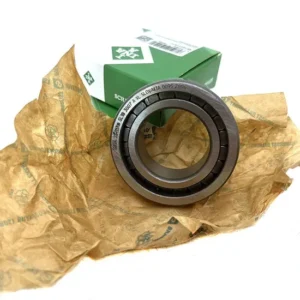
X&S INA Nup1007em Cylindrical Roller Bearing for Auto Motor Spare Part
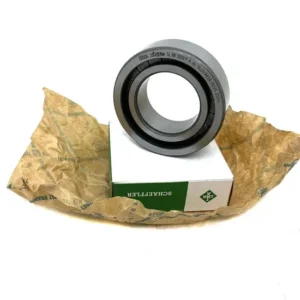
INA B7018C.T.P4S B7018E.T.P4S Angular Contact Ball Bearing for Turbojet
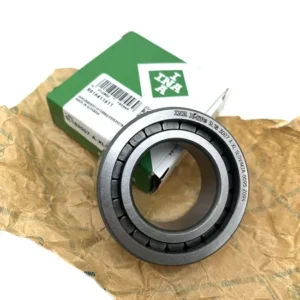
X&S NN3060/Y1 Double Row Cylindrical Roller Bearing for Heavy Load
X&S B7012E.T.P4S Angular Contact Ball Bearing for Metallurgical Rolling Mills
X&S NN3072K NN3008 Cylindrical Roller Bearing with Pin Cam Follower
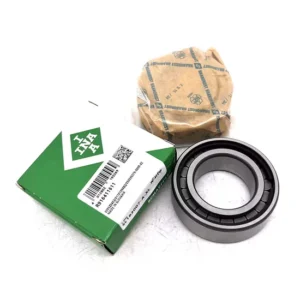
Genuine INA SL183007-A-XL NJ2208 NU2208 Cylindrical Roller Bearing for Auto Parts
INA H7012C-2RZ-P4 B706C T P4S Angular Contact Ball Bearing for Forklift Auto