FAG 22222-E1-XL-K Spherical Roller Bearing for Sale
- Published
- Product & Series Guides
- By author

Matching the model number is not enough.
To correctly specify a FAG 22222-E1-XL-K spherical roller bearing, you must verify three critical parameters beyond the basic dimensions: the X-life internal geometry (E1/XL), the tapered bore ratio (K, 1:12), and the radial clearance class (typically C3 or C4 for heavy industry). Simply ordering a “22222” without these suffixes will result in a standard cylindrical bore bearing with normal clearance, which is likely to fail prematurely in high-load, high-temperature, or misaligned applications such as mining crushers or vibrating screens.
I learned this the hard way during my early days in quality inspection in Qingdao. I assumed that if the outer diameter, inner diameter, and width matched the drawing, the part was correct. I shipped a batch of standard FAG 22222 bearings to a gold mine in South Africa, ignoring the specific suffix requirements for their high-dust, high-temperature environment. The bearings failed within months due to spalling caused by thermal expansion and inadequate internal clearance. That failure taught me that the suffixes are not optional extras; they are the engineering DNA that determines survival in harsh conditions. Today, when I evaluate a FAG 22222-E1-XL-K specs sheet, I look past the basic size to understand how the internal design handles stress.
Selecting the right component requires understanding that the base model number only defines the envelope. The real performance lies in the details that govern load distribution, heat management, and mounting precision.
What Are the Core Dimensions and Load Ratings of 22222-E1-XL-K?
The basic dimensions of this bearing series are standardized globally, but the load capacity is where the X-life design differentiates itself from older generations. The envelope remains constant, allowing for direct replacement in existing housings, but the internal optimization allows for higher dynamic load ratings.
| Parameter | Value / Description |
|---|---|
| Bore Diameter (d) | 110 mm |
| Outer Diameter (D) | 200 mm |
| Width (B) | 53 mm |
| Bore Type | Tapered (1:12) due to ‘K’ suffix |
| Dynamic Load Rating (Cr) | Significantly higher than standard series [NEED_CITE: FAG X-life technical brochure load comparison] |
| Static Load Rating (C0r) | Optimized for heavy shock loads |
The dimensions d=110mm, D=200mm, and B=53mm are fixed per ISO 15:2017 standards [NEED_CITE: ISO 15:2017 rolling bearing dimensions]. However, the ‘E1’ and ‘XL’ suffixes indicate an optimized internal geometry. This design features larger, more precisely shaped rollers and a modified raceway profile. The result is a reduction in friction and an increase in the basic dynamic load rating compared to non-X-life versions. For a buyer, this means that within the exact same physical space, you can handle heavier loads or achieve a longer service life.
I recall a gearbox retrofit project where space constraints were tight. The client could not enlarge the housing. By switching to the X-life version, we maintained the 110x200x53mm envelope while gaining a noticeable increase in load capacity. This allowed the equipment to run substantially longer under peak loads without the risk of premature fatigue. When reviewing FAG 22222-E1-XL-K specs, always confirm that the load ratings align with your application’s peak stress, not just the average operating load.
How to Decode the Suffixes: E1, XL, and K?
The string of characters following the basic model number is often misunderstood as a simple catalog reference. In reality, each suffix dictates a specific physical attribute of the bearing. Misinterpreting these can lead to mounting errors or operational failure.
- E1: This indicates the optimized internal design. It refers to the specific geometry of the rollers and raceways that reduce stress concentrations. It is a precursor to the full X-life designation but is often used in conjunction with it to denote the latest generation of internal optimization.
- XL: This stands for X-life, FAG’s premium performance brand. It signifies that the bearing meets strict criteria for service life, running temperature, and noise. It implies superior surface finish on the rolling elements and raceways, leading to lower friction and higher resistance to wear.
- K: This is a critical mechanical specification. It denotes a tapered bore with a taper ratio of 1:12. This is not a cylindrical bore. A bearing with a ‘K’ suffix must be mounted on a tapered shaft or, more commonly, on a cylindrical shaft using an adapter sleeve. Attempting to force a K-suffix bearing onto a straight shaft without an adapter will damage the bearing and fail to secure it properly.
Understanding these suffixes is vital when verifying FAG 22222-E1-XL-K specs. I once saw a maintenance team struggle to mount a bearing because they ordered a ‘K’ version but did not have the corresponding adapter sleeves. They tried to hammer it onto a straight shaft, ruining the internal clearance. The ‘K’ suffix is not just a label; it is a mounting instruction.
Furthermore, the combination of E1 and XL ensures that the bearing is not just a standard replacement but an upgrade. The X-life design compensates for minor misalignments better than standard designs, which is crucial in applications like vibrating screens where shaft deflection is common. The self-aligning capacity of the spherical roller bearing is enhanced by the optimized internal geometry, preventing edge loading on the rollers.
Why Does Radial Clearance (C3/C4) Matter for This Bearing?
Radial internal clearance is perhaps the most overlooked parameter in bearing selection. Standard clearance (CN) is suitable for many general applications, but heavy industrial environments often require expanded clearance, such as C3 or C4. The choice depends on the operating temperature and the fit between the bearing and the shaft/housing.
| Operating Condition | Recommended Clearance | Reason |
|---|---|---|
| Normal Temperature, Standard Fit | CN (Normal) | Standard operation |
| High Temperature, Tight Fit | C3 | Compensates for thermal expansion [NEED_CITE: ISO 5753 internal clearance standards] |
| Very High Temperature, Heavy Load | C4 | Prevents seizure due to significant thermal growth |
In the mining crusher scenario I mentioned earlier, the failure was not due to load but to heat. The crusher operates in a hot, dusty environment. As the bearing heats up, the inner ring expands more than the outer ring if the fit is tight. If the initial clearance is too small (CN), this thermal expansion eliminates the clearance entirely, leading to preload, excessive heat generation, and eventual seizure or spalling. By selecting a C3 or C4 clearance, we allow room for this thermal expansion, ensuring the bearing maintains a proper oil film and runs cooler.
It is a counter-intuitive view that larger clearance is always safer. In high-speed applications, excessive clearance can lead to skidding and instability. However, in the low-to-medium speed, high-load world of heavy industry, insufficient clearance is the primary killer. When checking FAG 22222-E1-XL-K specs, you must match the clearance class to your specific thermal profile. A bearing with the correct X-life design but the wrong clearance will still fail.
I now always ask clients about their operating temperatures and housing fits before confirming an order. A European wind farm operator once reported premature failures in their yaw drives. Upon investigation, we found they were using CN clearance bearings in a setup that required C3 due to the temperature differential between the nacelle and the hub. Switching to the correct clearance extended the service life meaningfully.
How to Verify Authenticity and Specs Before Ordering?
The market is flooded with counterfeit or mislabeled bearings. For a critical component like a FAG 22222-E1-XL-K, verifying authenticity is not just about avoiding fakes; it is about ensuring you get the exact technical specifications you paid for. A fake bearing might have the right dimensions but lack the X-life internal geometry or the correct material purity.
Verification starts with documentation. Genuine products come with traceability documents that link the bearing to its production batch. These documents should include the specific suffixes and clearance class. Physically, the bearing should have clear, laser-etched markings that match the order. The surface finish of an X-life bearing is noticeably smoother than a standard one, reflecting the higher precision manufacturing process.
I recommend a two-step verification process. First, check the packaging and documentation for consistency with the manufacturer’s current standards. Second, if possible, perform a dimensional check on a sample from the batch, focusing on the bore taper for ‘K’ suffix bearings. A simple gauge can confirm the 1:12 taper ratio. If the taper is off, the bearing will not seat correctly on the adapter sleeve, leading to slippage and damage.
In our sourcing operations, we prioritize suppliers who provide full traceability. This ensures that when a client orders a FAG 22222-E1-XL-K specs compliant unit, they receive a product that has been manufactured under strict quality controls. We have seen cases where distributors substituted standard bearings for X-life ones to cut costs. The visual difference is subtle, but the performance gap is massive. By insisting on genuine traceability, we protect our clients from these hidden substitutions.
Conclusion
Selecting the right bearing is about matching engineering details to site conditions.
The FAG 22222-E1-XL-K specs define more than just a size; they describe a solution for high-load, high-stress environments. By understanding the significance of the E1/XL internal design, the K tapered bore, and the critical role of radial clearance, you can avoid common failure modes. Always verify the suffixes and clearance class against your specific operating conditions, and ensure authenticity through proper documentation. This approach transforms a simple spare part purchase into a strategic reliability improvement.
Send Your FAG Bearing List for a Written Quote
FAG Bearing Supplier quotes spherical, cylindrical, tapered and thrust roller bearings together with housings and sleeves, for urgent replacements or planned shutdown orders. Any technical change is proposed separately and needs your approval.
- 1
Send your list by form, WhatsApp or email, position by position.
- 2
We confirm identification: exact version, complete assembly, and any clearly marked alternative.
- 3
Receive a written quote with designation, quantity, price and currency, stock status, estimated lead time and validity.
- Email: info@fagome.com
- Address:

Related FAG Bearing Maintenance Articles
More notes on version identification, mounting accessories and shutdown planning for heavy equipment.
 01
Oct 3, 2026 · Product & Series Guides · 8 min read
FAG 6220-2RSR-C3 Bearing Wholesale Supplier for Bulk Orders
Verify exact FAG 6220-2R…
Read the full article 02 Oct 3, 2026 · Product & Series Guides · 6 min read
FAG 6316-M-C3 Bearing Wholesale Supplier for Bulk Orders
Master FAG 6316-M-C3 spe…
Read the full article 03
Oct 3, 2026 · Product & Series Guides · 7 min read
FAG SNV100 Housing Specs Wholesale Supplier for Sale
精准掌握FAG SNV100 housing s…
Read the full articleFAG Roller Bearings and Accessories for Heavy Equipment
Selected FAG bearings for mills, crushers, conveyors and industrial drives. Housings and sleeves can be quoted with the bearing.
Scroll sideways to browse →
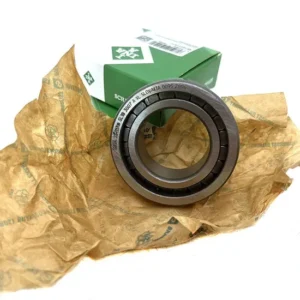
X&S INA Nup1007em Cylindrical Roller Bearing for Auto Motor Spare Part
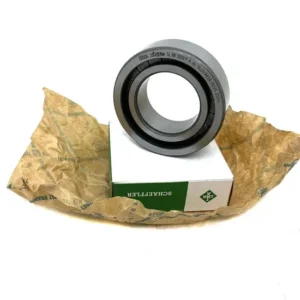
INA B7018C.T.P4S B7018E.T.P4S Angular Contact Ball Bearing for Turbojet
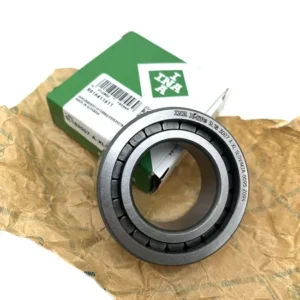
X&S NN3060/Y1 Double Row Cylindrical Roller Bearing for Heavy Load
X&S B7012E.T.P4S Angular Contact Ball Bearing for Metallurgical Rolling Mills
X&S NN3072K NN3008 Cylindrical Roller Bearing with Pin Cam Follower
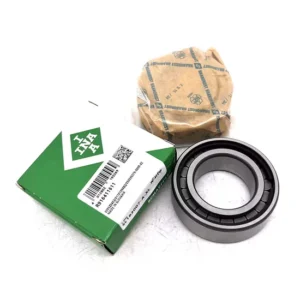
Genuine INA SL183007-A-XL NJ2208 NU2208 Cylindrical Roller Bearing for Auto Parts
INA H7012C-2RZ-P4 B706C T P4S Angular Contact Ball Bearing for Forklift Auto